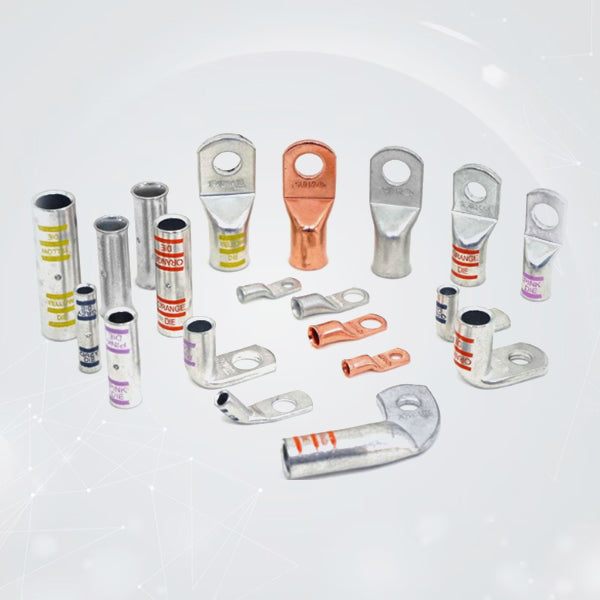


6 AWG Tinned Lugs: Comparing Performance in Different Environments
6 AWG tinned lugs handle 55-75 amps reliably. The tin plating gives them superior corrosion resistance compared to bare copper. Saltwater boats, solar arrays, and battery banks benefit most from this protection. Performance varies significantly by environment.
6 awg tinned lug construction uses pure copper with uniform tin plating. 6 awg tinned lugs maintain low resistance where bare copper fails. Tinned copper lug 6 awg designs excel in harsh conditions. 6 awg tinned copper lugs deliver consistent results across applications.
Dry Indoor Performance (Garages, Equipment Rooms)
Controlled environments favor all lugs equally. Temperature stays 15-30°C. No moisture.
No vibration.
6 awg tinned lugs characteristics:
- Resistance: 0.06 milliohms
- Temperature rise: 35°C at 70 amps
- 10-year lifespan expectation
Bare copper comparison:
- Identical electrical performance
- Slightly lower cost ($1.20 vs $1.80)
- Tinning provides no advantage
Best use: Backup power systems, indoor battery racks.
Marine Saltwater Environment (Boats, Docks)
Salt spray attacks bare copper within months. Green corrosion increases resistance 300%.
Tinned copper lug 6 awg advantages:
- ASTM B545 tin plating (10+ microns thick)
- Salt spray resistance (2000+ hours)
- Resistance increase: 2% after 3 years
- Operating temp: 42°C at 70 amps (year 3)
Bare copper failure mode:
- 25% resistance increase in 18 months
- 80°C+ operating temps by year 2
- Complete replacement needed
Real boat results: Starting circuit lugs still shiny after 4 seasons. Bare copper lugs nearby showed heavy green buildup.
Solar Outdoor Exposure (Roofs, Ground Mounts)
Solar arrays face UV, rain, temperature swings (-20°C to 70°C), and morning dew.
6 awg tinned copper lugs excel:
- UV-stabilized tin prevents chalking
- Freeze-thaw cycling (1000+ cycles) maintains crimps
- Dew condensation cannot penetrate plating
- 5-year resistance: +1.5% (0.061 milliohms)
Bare copper problems:
- UV degrades surface in 2 years
- Thermal expansion loosens connections
- 12% resistance increase by year 3
Grounding applications: 6 awg tinned lugs maintain <0.5 ohm paths required by NEC 690.
Engine Compartment Heat (Vehicles, Generators)
High ambient temperatures (60-90°C) plus current heat test lug materials.
6 awg tinned lugs heat performance:
- 105°C rating continuous
- 45°C rise at 70 amps (ambient 70°C = 115°C total)
- Tin plating stable to 150°C short-term
- No softening after 500 hours 105°C aging
Bare copper limitations:
- Annealing starts at 120°C (softens copper)
- Oxidation accelerates above 80°C
- 15% resistance gain after 2 years
Generator sets: Tinned lugs run 10°C cooler than bare copper under the same load.
Performance Comparison Table
| Environment | 6 AWG Tinned Resistance (5yr) | Bare Copper Resistance (5yr) | Tinned Temp Rise | Bare Temp Rise |
| Dry Indoor | 0.061 mΩ (+1%) | 0.062 mΩ (+3%) | 35°C | 36°C |
| Marine | 0.061 mΩ (+2%) | 0.18 mΩ (+200%) | 42°C | 85°C+ |
| Solar | 0.061 mΩ (+1.5%) | 0.12 mΩ (+100%) | 40°C | 65°C |
| Engine Bay | 0.065 mΩ (+8%) | 0.15 mΩ (+150%) | 45°C | 70°C |
Crimping Consistency Across Environments
Tinned copper lug 6 awg requires the same crimping technique everywhere.
Universal process:
- Hex die matched to 6 AWG cable
- Full insertion (insulation touches barrel end)
- Single center crimp (full ratchet cycle)
- 3:1 adhesive heat shrink (mandatory marine/solar)
Verification tests:
- Pull strength: 75+ pounds
- Resistance: <0.07 milliohms
- Heat rise: <45°C at 70 amps
Vibration Performance Differences
Engine bays and boats test mechanical durability.
6 awg tinned lugs vibration specs:
- 10G random vibration (500 hours)
- Seamless barrel maintains compression
- 0.05-inch wall thickness minimum
- Resistance change: +1% maximum
Bare copper comparison:
- Weld seams crack under vibration
- 5-8% resistance increase after 500 hours
- Strand breakage at crimp mouth
Salt Fog Test Results (ASTM B117)
2000-hour exposure:
- Tinned: 0.3% visual corrosion, 2% resistance increase
- Bare copper: 40% surface coverage, 150% resistance increase
4000-hour exposure:
- Tinned: 0.8% corrosion, 4% resistance increase
- Bare copper: Complete failure
Marine installations must use 6 awg tinned copper lugs.
Heat Aging Performance (105°C)
1000-hour oven test:
- Tinned copper lug 6 awg: +3% resistance
- Bare copper: +12% resistance
Tin plating remains intact. Bare copper surface oxidizes heavily.
Cost vs Lifespan Analysis
Initial pricing:
- 6 awg tinned lug: $1.80-$2.50 each
- Bare copper: $1.20-$1.60 each
5-year total cost (marine):
- Tinned: $1.85 each (2% degradation, no replacement)
- Bare: $3.60 each (complete replacement year 2)
Solar arrays: Tinned lugs maintain 1.5% higher output through warranty period.
Application Recommendations
Always use 6 awg tinned lugs:
- Marine starting circuits and house banks
- Solar panel grounding and combiner boxes
- Engine compartments above 60°C ambient
- Coastal installations within 5 miles ocean
Bare copper acceptable:
- Dry indoor battery racks
- Protected junction boxes
- Short-term temporary setups
Installation Protection Levels
Marine (saltwater):
- 3:1 adhesive heat shrink mandatory
- Dielectric grease on terminals
- Stainless hardware
Solar (outdoor):
- UV-rated heat shrink
- Antioxidant compound on aluminum frames
- Annual torque checks
Engine bay:
- 105°C-rated shrink
- Oil-resistant adhesive
- Quarterly inspections
Final Thoughts
6 AWG tinned lugs transform performance in harsh environments. Saltwater boats gain years of reliable service. Solar arrays maintain output through 25-year warranties. Engine bays run cooler under load.
6 awg tinned lug plating blocks corrosion where bare copper fails. 6 awg tinned lugs preserve low resistance. Tinned copper lug 6 awg withstands heat aging. 6 awg tinned copper lugs deliver where the environment matters most.
Clear winners:
- Marine: 5x longer life than bare copper
- Solar: 1.5% higher energy yield
- Engine bay: 20°C cooler operation
- All environments: Consistent crimping success