

8 AWG Tinned Lug vs Standard Copper Lug: Key Differences
Upgrading an electrical system for auxiliary power distribution, small marine electronics, or automotive accessory blocks usually brings you face-to-face with 8 AWG wiring. At this thickness, you are moving away from thin primary wire and handling substantial current that requires a solid, dependable connection point. Choosing the wrong style of terminal connector for your environment will cause your entire circuit to fail.
The debate usually comes down to selecting a bare copper connector versus an electroplated version. Both styles handle high current, but their performance changes drastically depending on exposure to moisture, heat, and chemical fumes. Your circuit requires a perfect, airtight metal bond to transfer power without bottlenecking your voltage or generating localized heat. Understanding the structural differences keeps your equipment running safely. Selecting the wrong hardware brings immediate long-term system trouble. Electrical resistance can sneak into the barrel, starving your components of voltage and turning the joint into a hotspot that can melt your wire insulation. When routing power lines through vibrating engine compartments, damp utility spaces, or open marine environments, picking a premium 8 awg tinned lug determines whether your system survives the elements.
The Trap of Flimsy Retail Hardware
Look at the generic, unbranded electrical connectors sitting in discount retail bulk bins. Most of those cheap options are stamped from thin sheet metal or cast from brittle zinc blends with nothing but a flash cosmetic finish on the outside. They break under actual mechanical torque. The second you apply real force with a professional crimping tool to crush the barrel, those cheap retail options split wide open down the seam or warp across the flat pad. Even if they survive the initial installation without cracking, their actual electrical conductivity is poor compared to pure copper, creating an immediate bottleneck before your accessories even turn on.
Vehicle frames, engine bays, and damp equipment rooms are brutal on heavy-duty power gear. Road vibrations mix with intense heat that cooks surrounding components. Mismatched or thin retail terminals loosen up under this constant physical shaking. The mechanical contact point breaks down, internal resistance shoots through the roof, and the resulting voltage drops starve your equipment. Integrating a heavy-walled 8 gauge tinned lug configuration prevents internal moisture tracking and shields your fine wire strands from localized heat buildup.
Why Pure Copper Substrate Matters
Long-term reliability under full electrical load relies entirely on the quality of the underlying metal. High-current networks demand connections built from seamless C11000 electrolytic copper. This pure grade provides the highest possible electrical and thermal performance. Because pure copper is naturally soft, malleable, and workable, it deforms uniformly under intense tool pressure.
A seamless barrel flows completely around the flexible wire strands instead of splitting open down a weak side seam. This uniform compression fuses the wire and the connector into one solid block of copper with zero hidden air pockets inside. Slapping a thin, cosmetic finish over cheap brass or zinc alloy won't save a terminal from failing. True longevity in harsh, high-vibration automotive or industrial environments requires starting with thick metal infrastructure that can handle an absolute cold-weld crush without cracking open down the side.
Solder Flaws vs. Mechanical Crimping in 8 AWG Lines
An old workshop repair trick that consistently ruins heavy vehicle cables is using a propane torch and liquid solder to secure cable connectors. Solder looks clean at first, but professional automotive and marine electrical standards ban the process for high-vibration applications. As heat melts the solder into the terminal barrel, capillary action draws the liquid metal straight up the flexible stranded wire past the lug entry. Once cooled, the solder hardens, turning a flexible power cable into a stiff, solid metal rod.
Four-wheel drives, work trucks, and boats bounce, shake, and vibrate constantly. All that mechanical stress concentrates directly at the exact spot where the flexible wire insulation meets that rock-hard, soldered section. Over time, individual copper wire strands suffer from intense metal fatigue and snap clean off right at the back of the terminal barrel. The modern standard for a reliable circuit is a gas-tight mechanical crimp. Forcing the barrel to compress uniformly from six sides cold-welds the wire strands directly to the inner walls, sealing out all air so interior salt rot cannot start.
The Core Breakdown: Tinned vs. Bare Copper
The fundamental difference between these two styles of high-purity copper connectors is how they handle environmental exposure. While both offer identical electrical conductivity right out of the box, their lifespans part ways the moment they are bolted into a real-world working environment.
- Bare Copper Lugs: These offer raw, unrestricted electrical transfer and are perfect for dry, fully enclosed applications like indoor solar battery banks, home audio systems, or sealed industrial enclosures. However, raw copper oxidizes quickly when exposed to battery fumes, road salt, or high humidity, forming a non-conductive green crust.
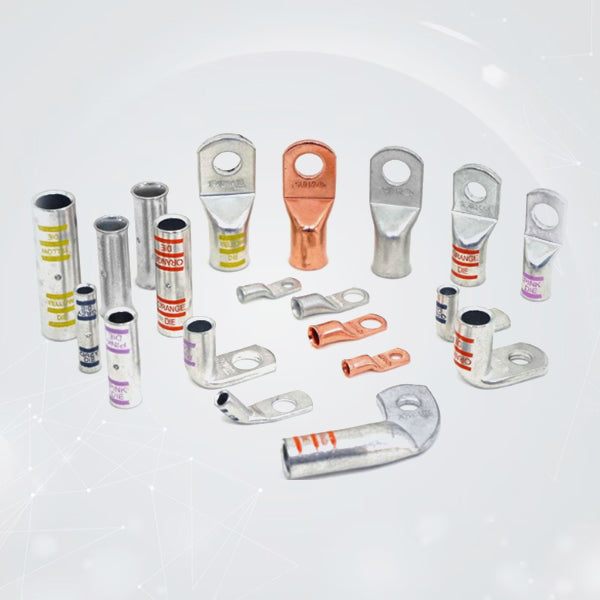
- Tinned Copper Lugs: An electroplated tin finish stops that atmospheric rot before it starts. Tin completely ignores moisture, road grime, and acidic environments. A micro-thin layer of tin wraps the raw copper core to create an airtight seal. This plating keeps the underlying copper fully isolated so your heavy-duty 8 awg tinned copper lugs maintain their raw current-carrying capacity for years without corroding.
The 8 AWG Crimp Process
- Strip It to Bare, Bright Copper: Do not ever crimp over dark, corroded, or greasy wire strands. If the cable is older or has been sitting around a damp shop, chop the bad ends off until you hit clean, bright metal. If it still looks a little dull, scrub the strands aggressively with a stainless steel wire brush. You want that copper shining before it goes anywhere near the barrel.
- Check Your Depth: Slide the wire jacket back to match the depth of the lug barrel. Shove the wire all the way in until copper strands pack tightly against the inspection window. The leftover insulation jacket needs to sit flush against the back of the barrel—keep any gap under a sixteenth of an inch.
- Use the Right Hex Die: Match your wire gauge exactly to the die on your crimping tool. No guessing here. Use a solid manual or hydraulic hex tool to crush the barrel completely. Let the tool go through its full mechanical cycle so it cold-welds the strands and terminal walls into a single, solid chunk of copper.
- Bury the Joint in Glue-Lined Heat Shrink: Slide a piece of heavy-wall, 3:1 adhesive-lined heat shrink tubing directly over the raw metal connection and hit it with a heat gun. Wait until the internal glue melts and squirt out around the bottom edges of the tubing. That squeezed-out glue is your proof—it creates a permanent, waterproof seal that stops road salt, pooling water, and engine grease from rotting your wires over time.
Operational Interface Protection and Joint Preservation
Proactive oversight keeps an auxiliary electrical system online over the long haul. Give every connection point a physical check once a season. Do not just glance at it. Get your hands in there. Check for lifting around the heat shrink edges or a dull, graying look on the metal surfaces. Wiping a little specialized dielectric paste or anti-corrosion spray over the bolted joint creates a solid backup boundary against the air.
If you have to pull a terminal off for an equipment upgrade, clean the pad faces right down to the bright copper or tin layer with a clean rag and some isopropyl alcohol. Ditch the sandpaper. Never touch a tinned pad with a coarse file or heavy emery cloth. Aggressive scratching scrapes that thin protective tin layer right off an 8 gauge tinned lug, exposing raw copper and inviting instant green rot. Scrap the worn hardware. If a terminal pad looks visibly gouged, warped, or shows deep green rot eating into the barrel entry, throw it in the scrap bin. Do not reuse it. Just cut the wire back to fresh strands and crimp a clean one into place.
Mitigating Voltage Sag at Primary Distribution Nodes
Your system's entire electrical performance relies on its worst connection point. Skimping on basic wire ends leads to sudden power drops, dead accessories, and hours of miserable diagnostic work in your garage. You do not want to deal with that. If you want hardware built to actually survive high heat and brutal vibrations, look for premium engineered options like the Selterm 8 AWG Tinned Copper Collection.
These premium 8 gauge tinned copper lugs are stamped out of heavy-duty, seamless copper tubes with thick, precision-machined flat pads. That specific construction handles maximum crushing forces from a hex tool without splitting open or cracking down the side. Swapping out old, sketchy factory ends for premium copper hardware stops resistance buildup and voltage drops right in their tracks. Pair these heavy-duty terminals with solid hex tooling and a proper piece of adhesive-lined heat shrink. You end up with a cool-running, highly efficient power setup that handles your electrical distribution flawlessly every single time for years.