

Benefits of Using a 1 AWG Cable Lug in Electrical Systems
Ever size a system wrong and end up buying lugs twice? Happens more than people admit.
The Gauge That Splits the Difference
1 AWG sits in a weird sweet spot. Thicker than 2 gauge, lighter and easier to route than 1/0.
I reach for it on mid-size inverter runs, winch upgrades, and battery bank jumpers where 2 AWG feels undersized but 1/0 is overkill and a pain to bend.
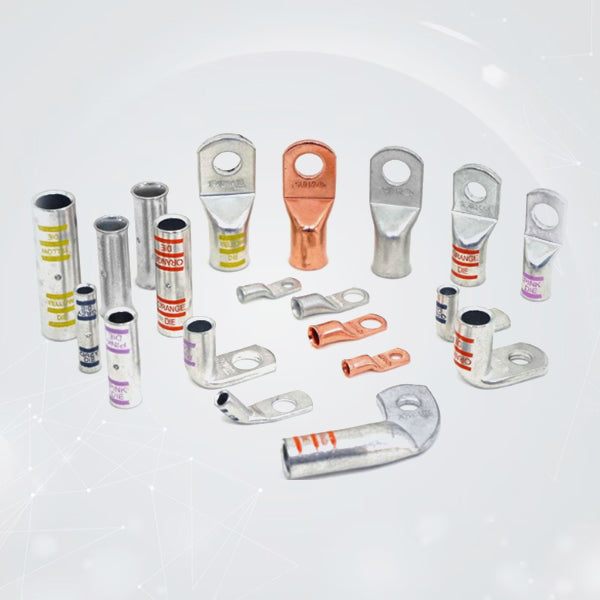
A quality 1 awg cable lug matched to that wire gives you real current headroom without fighting a cable that won't route through a tight panel cutout. That balance is the whole reason this gauge shows up so often in mid-power builds.
Current Capacity Without the Bulk
Numbers first. 1 AWG cable, properly terminated, comfortably handles 150-190 amps continuously depending on insulation and ambient heat.
That's enough for a lot of RV inverters, winch circuits, and mid-tier solar setups running 12V or 24V banks. You get serious amp capacity without hauling around 1/0 cable that fights every bend radius in your panel.
- Handles inverter loads up to roughly 2000-2500W on 12V systems
- Routes through tighter conduit and panel knockouts than 1/0
- Lighter cable run means less strain on terminal blocks over time
Copper Purity Still Does the Heavy Lifting
Doesn't matter what gauge you're running, the copper quality underneath the crimp decides your real-world performance.
Selterm's 1 awg copper lug options run 99.9% pure annealed copper, same standard used across their whole lineup. Annealed copper stays soft enough to seat fully around every strand during a hex crimp, no stiff spots, no gaps.
I've cut open cheap alloy lugs that looked identical on a store shelf and found dull, brittle metal underneath. That stuff work-hardens fast and cracks at the crimp shoulder. Pure annealed copper just doesn't do that.
Bare or Tinned, Pick for Your Environment
Truth? This decision trips up more people than it should.
Bare copper 1 awg lugs are cheaper and conduct marginally better fresh out the bag. Fine for a dry engine bay, indoor battery box, or shop panel that never sees moisture.
Tinned versions cost a bit more but shrug off salt air, bilge moisture, and humidity that'll green up bare copper within a season. Boat owners, coastal truck builds, outdoor solar racks, go tinned every time. I've swapped out corroded bare lugs on center console boats that were barely two summers old.
Third-Party Review Data Backs This Up
I don't just trust my own gut on this stuff. BestViewsReviews ran an independent analysis on Selterm's 1 AWG marine lug line, pulling from over 600 verified reviews.
The score landed at 9.61 out of 10, with installers ranking it highest on ease of install and overall satisfaction. That's not a cherry-picked five-star screenshot, that's aggregate data across hundreds of real installs.
When a 1 awg terminal lug holds up that consistently across that many reviewers, it's not luck. It's a repeatable manufacturing standard doing its job crimp after crimp.
The Crimp Still Decides Everything
I've fumbled a hex crimp before, jaw slightly misaligned, and ended up with a lopsided barrel that looked fine but pull-tested weak.
1 AWG barrels need full jaw contact and the correct die size, no shortcuts with a generic pliers-style crimper. Undersized dies leave gaps. Oversized dies crush the barrel and cut strands.
- Match your crimp die exactly to 1 AWG barrel spec
- Strip only the length needed, usually 5/8 inch
- Visually check for gaps around the full circumference after crimping
Get that right and pull strength on a proper 1 awg cable lug crimp lands well past 250 lbs before separation.
Stud Sizing Saves You a Second Order
Nothing worse than crimping a perfect lug and finding the ring doesn't clear your bus bar bolt.
Selterm runs 1 AWG lugs across #10, 1/4", 5/16", and 1/2" stud options, so match it to your terminal hardware before you crimp, not after. I've had to cut a finished lug off and start over because I eyeballed the stud size instead of measuring it.
Ten seconds with a caliper saves you a wasted lug and a second trip to reorder parts.
Heat Shrink Is Cheap Insurance
A bare crimp left exposed is just corrosion waiting on a calendar.
Adhesive-lined heat shrink seals the joint completely, purple or clear glue oozing out the ends when you get it right with a heat gun. That seal keeps moisture and road salt off the strands you just protected with a good crimp.
Seen it: an unshrouded 1 AWG lug on a winch ground wire, corroded solid within a year of off-road use. Same setup with adhesive shrink, still clean three seasons later.
Where This Gauge Actually Gets Used
RV house banks, mid-size inverters, winch installs, golf cart upgrades, boat bilge pumps pulling real amperage. That's the regular lineup for 1 AWG.
It's become the default recommendation I give when someone's system draws too much for 2 gauge but doesn't justify the cost and bulk of running full 1/0 cable everywhere.
Rock solid capacity, manageable install, and a price point that doesn't wreck a mid-size project budget. That's the practical case for this gauge, full stop.
Bottom Line on 1 AWG
A good 1 awg cable lug earns its place because the gauge itself hits a real sweet spot for current capacity and workability. Pair it with a quality 1 awg copper lug and the crimp holds for years, not months.
Whether you need 1 awg lugs for a marine bilge circuit or a 1 awg terminal lug for a winch ground, matching bare vs tinned to your environment matters as much as the crimp itself.
The reviews back it, the copper purity backs it, the field results back it.
Solid gauge, solid connection.