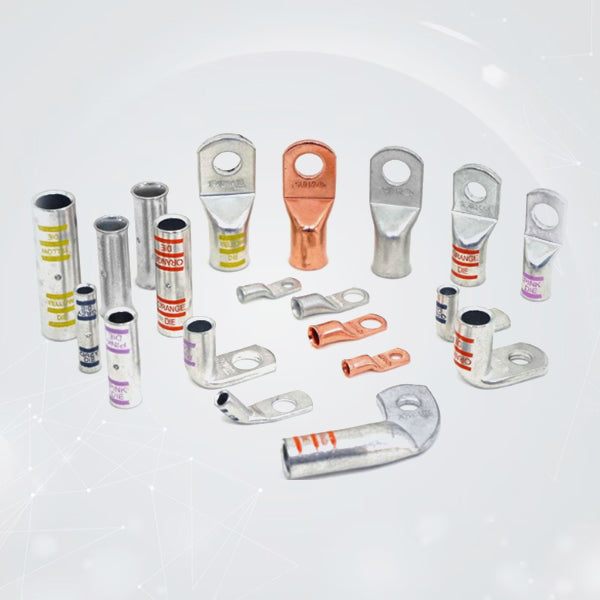


How 4 AWG Lugs Improve Electrical Conductivity and Performance
Ever tighten down a lug and still get a warm cable an hour later? That's resistance talking, and it usually starts at a bad connection, not the wire itself.
Conductivity Starts Before the Crimp Tool Touches Anything
Truth? Most guys blame the wire when a circuit runs hot. Nine times out of ten it's the termination.
I've pulled apart failed battery cables where the copper looked fine but the lug barrel was pitted, undersized, or just cheap stamped junk. The current doesn't care how thick your cable is if the connection point chokes it.
Good 4 awg lugs matter because that's where amperage either flows clean or fights its way through. Pick the wrong connector and you've built a bottleneck into your own system. Pick a solid one and the whole run performs the way the wire spec promised on paper.
Copper Purity Isn't Marketing Fluff
Here's the physics, kept simple: pure copper has lower resistance than copper blended with junk fillers. Less resistance means less heat, less voltage loss, more usable power at the other end.
Selterm runs 99.9% pure annealed copper in these lugs. That's not a brochure number, it's the same purity threshold serious marine and solar installers actually ask for by name.
- Higher purity = lower resistance path
- Annealed copper = better strand flex during crimping
- Less internal air gap = less oxidation risk later
Cheap alloy lugs feel the same in your hand. They don't perform the same under load.
Bare vs Tinned: The Conductivity Trade-off
I get asked this constantly. Bare copper lugs conduct marginally better fresh out of the bag, no coating in the way.
Tinned lugs trade a hair of raw conductivity for serious corrosion resistance, which matters a lot in salt air, bilges, or anywhere moisture sits on a terminal for months.
For dry engine bays and indoor panels, bare 4 awg connector lug options work great and keep costs down. For boats, coastal trucks, or outdoor solar arrays, tinned wins long term. I've seen bare copper green up in under a year near saltwater. Tinned versions on the same boat, still clean.
The Crimp Is Where Performance Lives or Dies
I've fumbled hammer-on crimps before, strands cut clean through from a dull chisel edge. That's a scrapped lug and a wasted ten minutes.
A proper hex crimp compresses the barrel evenly around every strand, no gaps, full metal-to-metal contact. That contact area is what actually carries your current, not just the wire gauge rating.
Pull test a good crimp on 4 awg wire lugs and you're looking at connections rated well past 300 lbs before separation. That's the difference between a joint that holds for a decade and one that works loose after a few thousand miles of vibration.
Voltage Drop, In Plain Math
Quick real numbers. Run 4 AWG cable 15 feet at 100 amps and you're looking at roughly a 3% voltage drop with a clean connection.
Add a corroded or loose lug into that same run and resistance climbs, drop can creep past 5-6%, and now your inverter or amp is starving for voltage it should have.
Ever seen a sloppy connection melt a panel? I have. Undersized voltage at the load end forces higher current draw to compensate, and heat follows fast. Good lugs aren't just neat, they're protecting your whole system's math.
Stud Size and Contact Area Actually Matter
People obsess over wire gauge and forget the stud hole entirely. A 4 gauge wire lugs setup with a mismatched stud size means less surface contact at the bolt connection, which is exactly where a lot of resistance quietly builds.
- Match stud diameter to your bus bar or terminal exactly
- Use a flat washer to spread clamping pressure evenly
- Torque to spec, not "feels tight enough"
I've seen guys crank a lug down with a half-inch socket wrench like it's a lug nut. That warps the pad and kills your contact area instantly.
What Customers Are Actually Saying
Real feedback matters more than spec sheets, so here's what's out there. One verified Amazon buyer running a car audio install called the copper solid as advertised, good quality straight out of the pack.
Another installer building out a full system bought around 200 terminals total and said flat out no thin cheapos here, called them the good stuff and noted the larger sizes are getting harder to find because demand's real.
That kind of feedback lines up with what I see in the field. Solid copper, consistent sizing, no surprises when you open the bag.
Heat Shrink Locks In the Gain You Just Made
Don't undo all that good conductivity work by leaving the crimp exposed. Adhesive-lined heat shrink seals out moisture and keeps oxidation from creeping back into the strands you just protected.
Seen it: a bare crimp on an RV battery cable, no shrink wrap, green corrosion crawling up the barrel within eight months. Same setup with adhesive shrink tubing three years later, still bright copper underneath.
It's a two dollar add-on protecting a connection that's carrying serious amperage. Skipping it is where a lot of "the lug failed" complaints actually start.
Where 4 AWG Lugs Earn Their Keep
This gauge shows up constantly in RV house battery banks, mid-size solar arrays, winch installs, and car audio setups pushing serious wattage.
It's thick enough for real current, flexible enough to route through tight panel spaces without kinking. That's the sweet spot a lot of DIY electrical guys land on for 100-200 amp systems.
Rock stable connection, reasonable cost per lug, and a gauge that doesn't fight you during install. That combination is why it's become the default recommendation I give people building out a mid-power 12V system from scratch.
No-BS Wrap
Conductivity isn't just about the wire, it's the whole chain. Solid 4 awg lugs with real copper purity, a proper crimp, and the right stud match will outperform thicker cable paired with garbage terminals every time.
Whether you're running bare or tinned 4 awg connector lug options, matching your environment matters more than brand loyalty. Salt air wants tinned. Dry panels can run bare and save a few bucks.
Good 4 awg wire lugs and properly sized 4 gauge wire lugs aren't a luxury upgrade, they're the baseline for a system that doesn't cook itself under load.
Clean crimp, real power.