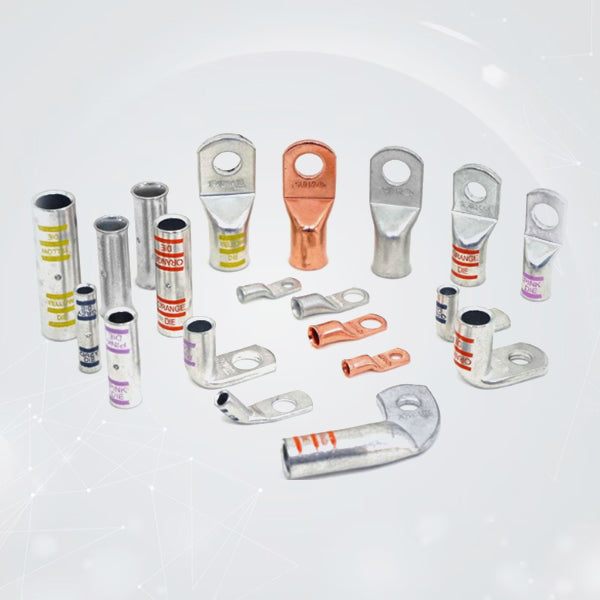


How to Choose the Right Tinned Copper Lugs for Your Electrical Project
Bought the wrong stud size once and had to redo a whole battery bank at midnight. Learn from that mistake before you order tinned copper lugs for your own build.
Short version: environment decides everything before gauge or stud size even enters the conversation.
Indoor panel in a dry garage? You've got flexibility. Marine bilge, coastal truck, outdoor solar array? That's a different animal entirely, and it changes your material choice fast.
Battery lugs exist specifically for that second category. The tin coating over the copper resists oxidation in ways bare copper simply can't match once salt air or condensation gets involved. Figure out the environment first. Everything else in this guide builds off that one decision.
Match the Wire Gauge Exactly
Pro tip: don't eyeball this one. A lug barrel that's slightly oversized for your cable leaves air gaps inside after crimping, and that's where corrosion sneaks in over time.
- Strip a test length and measure actual conductor diameter
- Check manufacturer specs against your specific cable, not just the AWG label
- Remember audio cable often runs oversized compared to standard gauge
I've seen guys assume "4 gauge is 4 gauge" and grab the wrong barrel size entirely. Cheap audio cable especially throws that assumption off. Measure twice, crimp once.
Tin Plating Isn't Just a Color Difference
Here's the simple physics behind it. Bare copper conducts marginally better fresh out of the package, no argument there.
But tin plating adds a genuine barrier against moisture and salt corrosion, tested to ASTM B117 salt spray standards on quality lugs. That's not a made-up number, it's an actual industry benchmark.
For battery lugs copper alone won't cut it long term near water or humidity. I've pulled bare copper terminals off a boat battery bank after eighteen months, green and crusty. Tinned versions on the same boat, still clean underneath the boot.
Check the Stud Size Against Your Actual Hardware
Truth? This is the single most common mistake I see in the field. Guys order based on wire gauge and forget the stud hole entirely.
A 1/2 inch tinned copper cable lug on a 3/8 inch post wobbles, loses clamping pressure, and eventually arcs under load.
Pull out the actual bolt or terminal post and measure it directly. Don't trust memory, don't trust the old lug that might've been mismatched too. Five minutes with calipers saves a redo.
Crimp Method Matters as Much as the Lug Itself
Medium thought here: a great tinned lug crimped with the wrong tool performs worse than a mediocre lug crimped correctly.
Hex dies give even, all-around compression. Indent crimpers work for lighter gauges but leave weak spots on heavier cable. Pliers or generic tools are basically useless on anything above 8 AWG.
I've fumbled hammer-on crimps early in my career, split a barrel clean trying to save time without the right die. Cost me the lug and the cable end both. Use the tool built for the job.
What Real Buyers Report Back
One long-time customer on Amazon called Selterm's tinned lugs the only ones they've used, having ordered multiple sizes repeatedly with consistent results and easy crimping every time.
Another buyer specifically sourcing tinned battery lugs for an RV solar install described them as a perfect fit for the charge controller and battery connections, with solid value and fast delivery for the project timeline.
That pattern matters. Repeat buyers ordering across multiple gauge sizes tells you the consistency holds, not just a single lucky batch.
Seal It or You Wasted the Tin Plating
Sensory detail: purple adhesive glue oozing from the shrink tube edges means the seal actually closed around the barrel.
Skip that step and you've undercut the whole point of buying tinned copper lugs in the first place. Moisture still finds the exposed crimp from the open end.
Adhesive-lined heat shrink over the finished crimp locks out the same moisture the tin plating was fighting. Both working together outlast either one alone, especially outdoors.
Buy From a Batch, Not a Grab Bag
Numbers worth knowing: mismatched lug lots are a real problem with off-brand sellers bundling random gauges into "value packs."
- Confirm gauge, stud size, and quantity match your actual project needs
- Buy slightly extra, since a botched crimp happens to everyone eventually
- Stick with one supplier per project to keep barrel dimensions consistent
Consistency across a full battery bank build matters more than saving a few cents per lug on a mixed lot from an unknown seller.
The Real Takeaway
Picking tinned copper lugs comes down to four checks: environment, gauge match, stud size, and a proper seal after crimping.
Skip any one of those and even premium tinned battery lugs will let you down eventually. Get all four right and battery lugs copper alternatives simply can't touch for corrosion resistance in wet environments.
A good tinned copper cable lug isn't complicated. It just needs the right size, the right crimp, and the right finish.
Tinned right, wired right.