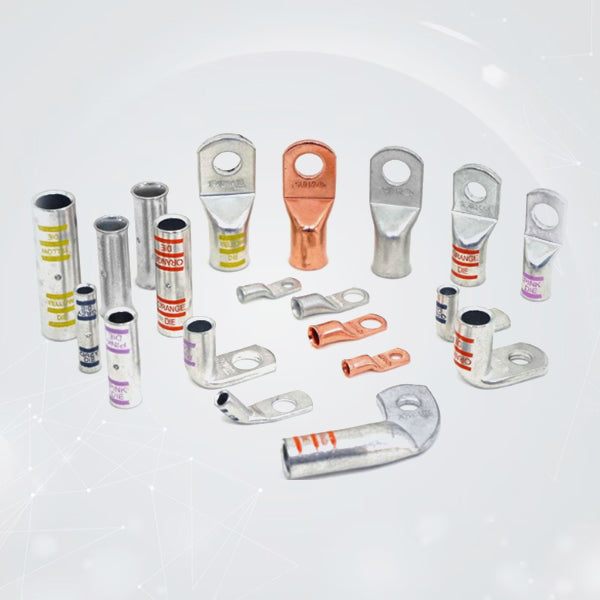


Top 5 Signs It’s Time to Replace Your Vehicle’s Copper Battery Lugs
A dead battery is rarely a total surprise. Most truck owners blame the battery itself or a dying alternator when the engine won't turn over or the headlights start flickering. But there is a hidden culprit that gets ignored until you are completely stranded: the physical connection points.
Your starter motor needs a massive surge of raw current to spin a heavy engine.
If the metal ends on your power cables are worn out, it does not matter how new your battery is. Power cannot bridge that gap efficiently. Over time, heat, vibration, and road grime destroy your factory connections.
If you are dealing with sluggish starts, identifying the structural warnings on your cable ends saves you from massive repair bills down the road. Replacing old terminals with high-quality copper battery lugs ensures your electrical system always receives full power.
1. Cracking Across the Barrel or Mounting Pad
Pop your hood and look closely at the flat face of the terminal where it bolts to the battery post or starter solenoid. Continuous engine vibrations combined with over-tightening the mounting bolts puts massive physical stress on the metal.
Cheap, thin-walled terminals cannot handle that pressure.
If you spot small hairline fractures along the flat mounting pad or where the barrel wraps around the wire strands, the terminal is dead. Those cracks reduce the physical surface area available to pass electrical current. Under heavy cranking loads, the electrical bottleneck concentrates right at the crack, turning the joint into a glowing hotspot that can melt surrounding components.
Switching to heavy duty lugs fixes this vulnerability permanently. Hardware manufactured from seamless pure copper handles extreme mechanical crushing forces from hydraulic tools and resists splitting open under constant vehicle vibration.
2. Green or White Crust Creeping into the Strands
The most obvious sign of terminal failure is a fuzzy, colorful buildup around the battery posts. This crust forms when acidic battery fumes or salty road spray react with raw metals. While you can scrub surface grime off with a wire brush, the real damage happens where you cannot see it.
Once oxidation gets inside the terminal barrel, it coats the individual wire strands in a layer of non-conductive copper carbonate.
This hidden rot creates massive electrical resistance. The connection acts like a closed valve on a fire hose, starving your starter motor of voltage and converting your battery's cranking energy into destructive heat. If scrubbing the terminal pad reveals deep pitting or the wire strands underneath look dull and brittle, you need to cut the cable back to fresh metal and install new battery connector lugs.
3. Discolored, Burned, or Brittle Wire Insulation
Take a look at the plastic or rubber insulation jacket right where it meets the back of the metal terminal barrel. If that insulation looks charred, bubbly, melted, or has turned rock-hard and brittle, your system has a serious heat problem.
High electrical resistance generates extreme temperatures.
When a terminal joint is loose or corroded, it heats up rapidly every time you crank the engine. That heat transfers straight down the cable, baking the protective insulation jacket until it cracks open. Exposed wire strands invite even more moisture and grime into the core, accelerating the rot and increasing the risk of a catastrophic short circuit against your vehicle's frame.
4. Rock-Hard, Rigid Cables From Old Soldering Work
An old-school workshop repair method that causes sudden electrical failure is using a propane torch to flood a terminal barrel with solder. While a soldered connection feels secure initially, it creates a massive structural weakness in automotive environments.
As liquid solder cools, it turns flexible stranded wire into a solid metal rod.
Vehicles bounce, shake, and vibrate constantly on the road. All that mechanical stress concentrates directly at the exact point where the flexible cable insulation meets that rigid, soldered section. Over time, individual copper strands suffer from intense metal fatigue and snap clean off right at the back of the barrel.
If you have stiff soldering lugs that are losing individual wire strands from vibration fatigue, chop them off. The modern standard for a reliable vehicle network is a heavy mechanical hex crimp that cold-welds the metal together without altering the cable's flexibility.
5. Sluggish Engine Cranks and Mystery Voltage Drops
Sometimes the warning signs are completely invisible. If your engine turns over slowly—sounding like the battery is dying—but your battery tester says the cells are completely healthy, your terminal connectors are likely dropping voltage under load.
You can verify this easily with a basic digital multimeter:
- Set your meter to DC volts.
- Place one probe directly on the clean lead battery post.
- Place the second probe on the bare copper cable right past the terminal barrel.
- Have an assistant crank the engine while you watch the display.
If your meter reads anything higher than 0.2 volts during the crank, your terminal connection is wasting power. That voltage drop confirms the metal-on-metal contact inside the barrel has degraded, and your starter motor is being starved of the current it needs to fire up the engine.
Your Best Upgrade Path
Look, your vehicle's entire electrical performance relies on its worst connection point. Skimping on basic wire ends leads to sudden power drops, dead accessories, and hours of miserable diagnostic work in your driveway.
You do not want to deal with that.
If you want hardware built to actually survive high engine bay heat and brutal road vibrations, check out the Selterm Bare Copper Collection. These lugs are stamped out of 99.9% pure annealed copper tubes. That specific metal choice gives you an even, massive crush under heavy tool pressure and max conductivity.
Swapping out old, sketchy factory ends for premium copper hardware stops resistance buildup and voltage drops right in their tracks. Pair these heavy duty lugs with solid hex tooling and a proper piece of adhesive-lined heat shrink. You end up with a cool-running, highly efficient vehicle power setup that starts up reliably every single time for years.