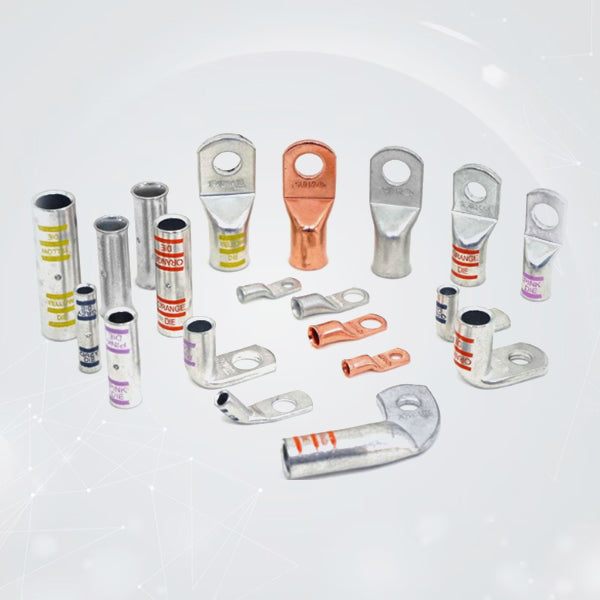


Top Reasons To Upgrade To 4 AWG Lug For Better Power Flow
When you’re trying to get reliable power delivery in a vehicle, inverter system, marine setup, or solar installation, small components often play the biggest roles. One of those small but mighty parts is the 4 AWG lug. If your system has been struggling with voltage drop, inconsistent performance, or heating around terminals, upgrading to the right lug size might be the fix you’ve been missing.
A good connection isn’t about wires alone. It’s the combination of proper wiring, quality terminals, and a solid mechanical bond. That’s where 4 AWG terminal lugs come in. They’re designed to carry high current smoothly, handle demanding environments, and create stable, long-lasting electrical pathways.
If you’re trying to decide whether switching to 4 AWG copper lugs (also known as 4 AWG terminal lug or battery lug) is actually worth it, here’s a straight-up rundown of why they make a real difference in power flow and overall reliability.
1. They Reduce Voltage Drop Significantly
Voltage drop happens when your wiring or connections can’t handle the load efficiently.
While cables play a big part, the lugs you use also influence how well power moves from point to point.
Upgrading to 4 AWG battery lugs helps reduce:
- Resistive heat
- Wasted power
- Dip in voltage under high load
Since 4 AWG lugs have a wider contact surface and thicker metal, they keep resistance lower and ensure the current flows without bottlenecks. This makes performance more stable, particularly in systems that demand bursts of high current.
2. Ideal For High-Current Applications
4 AWG is a popular choice in systems where power delivery needs to be quick and efficient. These lugs support high amperage without overheating, making them suitable for:
- Car audio builds
- Lithium battery banks
- RV and camper electrical upgrades
- Marine equipment
- Inverters and solar setups
If your system runs at higher loads or sees rapid current surges, smaller lugs tend to heat up. A 4 AWG lug handles these conditions comfortably, keeping your connections safe.
3. Better Durability Under Harsh Conditions
Whether you’re dealing with rough road vibration, salty marine air, or constant temperature swings, your electrical connections take a lot of stress. Using the right lug helps keep everything tight and secure, even when the conditions aren’t great.
4 AWG copper lugs offer:
- Excellent mechanical strength
- Tight, stable crimping
- Resistance to deformation under pressure
Their thick wall design helps them hold shape, maintain conductivity, and stay locked in place even in tough conditions.
4. Stronger, More Reliable Crimps
A connection is only as reliable as the crimp holding it together. Larger lugs like 4 AWG create a stronger bond because they allow better mechanical compression during crimping.
You get:
- A solid metal-to-metal connection
- Better strain relief
- Reduced chance of wires loosening
This is especially important in vehicles, boats, and machines where constant movement can loosen poorly crimped terminals.
5. Thicker Copper Means Better Conductivity
Copper’s been the favorite in electrical setups for years thanks to its great conductivity. And since 4 AWG copper lugs have more thickness to them, the current gets a cleaner, wider path to travel.
Why this matters:
- Less heat
- More stable power flow
- Longer lug life
- Better performance under load
If your current 6 or 8 AWG lugs feel like they’re “just managing,” moving to 4 AWG gives your system extra breathing room.
6. Ideal For Battery Systems And Power Distribution
Battery terminals deal with a lot of current, especially during startup, charging, or when you’re running something that pulls serious power. Smaller lugs can fall behind, but 4 AWG battery lugs handle that load without trouble.
These lugs are especially useful for:
- Dual battery setups
- Lithium battery upgrades
- Inverter power distribution
- Solar charge controllers
- Amplifiers in car audio systems
Better lugs mean cleaner power transfer, less strain on the battery, and a longer lifespan for your electrical components.
7. Reduce Risk Of Overheating And Electrical Failure
A loose or undersized lug can start to build up heat, and over time that heat can damage the insulation, weaken the connection, and raise the chances of something failing.
By upgrading to a 4 AWG lug, you lower the risks of:
- Hot spots
- Melted insulation
- Burnt terminals
- Sudden power loss
Reliable connections make your entire system safer and more predictable.
8. Easier Installation And Maintenance
Their size and shape make 4 AWG terminal lugs easier to crimp well, even with normal crimping tools. They also give you a bigger, firmer spot for tightening bolts, so installs end up looking cleaner and holding stronger.
Plus, routine maintenance becomes easier because signs of wear, corrosion, or loosening are more visible on larger lugs.
9. Perfect Balance Between Size And Flexibility
One of the main reasons many hobbyists and professionals choose 4 AWG is that it strikes the ideal balance between current capacity and ease of handling.
It’s thick enough for heavy loads, but still flexible enough to run through tight spaces in:
- Cars
- Boats
- Motorcycles
- RVs
- Backup power systems
This makes it a go-to size when you want high performance without dealing with overly bulky cables or lugs.
Make Your Electrical System Safer With 4 AWG Lugs
Every system has a weak point, and it’s usually the connection. Using 4 AWG lugs helps fix that by improving power flow, cutting resistance, and reducing heat, which keeps everything running longer and safer. No matter if it’s a new project or just a refresh, these lugs make your setup noticeably better.
If you’re ready to upgrade, check out the full range of high-quality 4 AWG battery lugs on Selterm. They’re built to handle tough environments, deliver strong conductivity, and help your system run at its best.