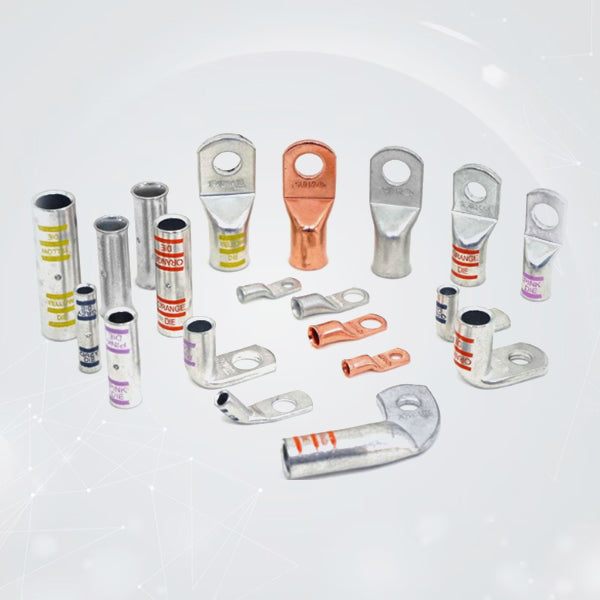


Understanding Tinned Copper Wire Lugs: What You Need to Know
When you’re dealing with high‑power systems, the lug on the cable matters. Not all lugs are the same. For clean, dry indoor setups, bare copper is fine. But if there’s moisture, salt, or humidity, bare copper starts to turn green and greasy. That’s where tinned copper wire lugs come in.
These are copper lugs, but with a thin layer of tin on top. Looks silvery, feels smoother than bare copper. That tin coating is what makes them tougher in bad conditions.
What Are Tinned Copper Wire Lugs?
Tinned copper lugs are just copper cable terminals with a thin tin plating. The copper underneath is still pure, so it still conducts well. The tin layer is there to protect the copper from corrosion.
They go by a few names:
- Tinned copper cable lug
- Cable lug tinned copper
- Tinned copper wire lugs
- Heavy duty tinned copper lugs (for high‑current jobs)
They connect battery cables to terminals, studs, or bus bars – same job as regular copper lugs, but with better life in wet, salty, or outdoor environments.
Why Add Tin? Why Not Just Use Bare Copper?
Copper is a great conductor. Everyone knows that. But in a boat, an RV, or an outdoor solar setup, bare copper doesn’t age well. It oxidizes, gets green, and the surface turns dirty. Over time, that starts to mess with current flow.
Tin plating slows this down. It:
- Keeps the copper surface cleaner longer
- Reduces corrosion from moisture and salt
- Stays conductive, even after years of use
So in places where air is salty or humid, tinned copper cable lug is often the better choice. It’s not about maximum conductivity – it’s about lasting longer and needing less maintenance.
Tinned vs Bare – Which One When?
Bare copper has the lowest resistance. No coating, no in between. That’s why it’s king in sealed, dry, indoor applications – like inside a server room or a clean battery room.
But outside? On a boat? In an RV? In a marine battery setup? That’s where tinned copper wire lugs make more sense.
Simple rule:
- Use bare copper when the environment is dry and you can keep things clean
- Use tinned copper where there’s humidity, salt, rain, or you can’t keep the terminals cleaned regularly
Tinned heavy duty tugs are not magic. They’re just more practical where corrosion is part of the deal.
Where Heavy Duty Tinned Copper Lugs Work Best
Heavy duty tinned copper lugs are not just for boats. They show up in a lot of real‑world high‑current applications.
Marine & Boat Systems
Engines, battery banks, bilge pumps, navigation – all of it lives in a salty, humid environment. Tinned copper lugs resist corrosion and keep power flowing reliably.
RVs & Campers
Dual battery systems, inverters, solar chargers. These are exposed to humidity, temperature swings, and road vibration. Tinned lugs stay cleaner and last longer than bare copper.
Solar & Off‑Grid Setups
Outdoor battery banks, inverters, charge controllers. Rain, sun, dew, dust – all of that eats bare copper. Tinned copper cable lug handles these conditions better, so less cleaning and re‑crimping over time.
Automotive & High‑Draw Audio
Twin batteries, winches, high‑power subwoofer systems. In humid or salty areas, terminals turn nasty real fast. Tinned copper wire lugs help keep the connection clean and working.
Backup Power & Generators
Critical systems. You can’t afford greasy terminals or loose connections. Tinned lugs stay more reliable, especially in outdoor or damp generator rooms.
Why Tinned Copper Lugs Are Worth It
Better corrosion resistance
Tin coating slows down oxidation. Terminals stay cleaner. Less green gunk, less greasy mess. That means less cleaning, fewer re‑crimps.
Stable performance over time
Bare copper can start to resist more current as it oxidizes. Tinned copper wire lugs stay more consistent, especially in harsh environments.
Works better in mixed‑metal systems
When connecting copper to other metals (like aluminum terminals), galvanic corrosion is a risk. Tin plating reduces that risk a bit, making tinned copper lugs more forgiving in those setups.
Easier to work with
Tin is smoother than bare copper. That makes crimping and (if needed) soldering easier. No rough surface, no flaking (if the lug is good quality). Just a solid connection.
Long‑term reliability
In tough conditions, tinned copper lasts longer. Fewer failures, less maintenance, more uptime. For systems that need to just work, that’s what matters.
How to Pick the Right Cable Lug Tinned Copper
Wrong size = trouble. Too small, it overheats. Too big, the crimp is weak. To pick the right tinned copper cable lug:
- Match the lug to your cable gauge (4 AWG, 2/0, 4/0, etc.)
- Check the stud hole size – 1/4", 5/16", 3/8", 1/2" – so it fits the terminal
- Barrel length – longer barrels give more contact area with the cable
- Wall thickness – thicker walls for higher current and more vibration
- Call it heavy duty tinned copper lugs if you’re in high‑current, continuous‑load applications
If you’re not sure, pick a lug clearly marked for your AWG and stud size. That’s the safest way to avoid overheating and connection problems.
Installing Tinned Copper Wire Lugs – Quick Tips
Tinned lugs are easy to install, but a few simple steps make a big difference in how long they last.
-
Use the right tool
Don’t use random pliers or cheap tools. Use a proper crimping tool designed for copper lugs. It’s worth the money. -
Insert cable fully
Make sure all strands are inside the barrel. Half‑in, half‑out lugs are a common cause of heat and failure. -
Crimp properly
A good crimp is gas‑tight and mechanically strong. Uneven crimps leave gaps where current can heat up or arc. -
Protect the connection
Use heat shrink tubing or insulation. Adhesive‑lined heat shrink is best for outdoor and marine use. It keeps moisture out and protects the crimp. -
Check later
In high‑vibration or harsh environments, check connections every few months. Look for looseness, discoloration, or signs of overheating.
Why Quality Heavy Duty Tinned Copper Lugs Matter
Not all tinned lugs are made equal. Cheap ones use thin copper, poor tin plating, or weak construction. Good quality heavy duty tinned copper lugs should:
- Use thick, pure copper for good current handling
- Have a consistent tin coating that doesn’t flake off easily
- Be built for vibration, heat, and long‑time use
- Come in standard sizes that match common cables and terminals
If you’re relying on the connection for power, safety, and long life, it’s worth spending a bit more on quality tinned copper wire lugs.
Final Thoughts
Tinned copper wire lugs are a small upgrade that makes a real difference where moisture, salt, and corrosion are part of the job. They’re not needed in every application, but in boats, RVs, solar systems, and backup power setups, they’re often the smarter choice.
For cleaner terminals, less maintenance, and more reliable connections:
- Consider tinned copper cable lug instead of bare copper in wet or salty environments
- Choose heavy duty tinned copper lugs for high‑current, continuous‑load jobs
- Make sure the size matches your cable and terminal
If you’re already using tinned copper, it only makes sense to use the right cable lug tinned copper – proper size, good quality, built for the job.
When system reliability and corrosion resistance matter, tinned copper is one of the simple, proven choices that pros keep coming back to.