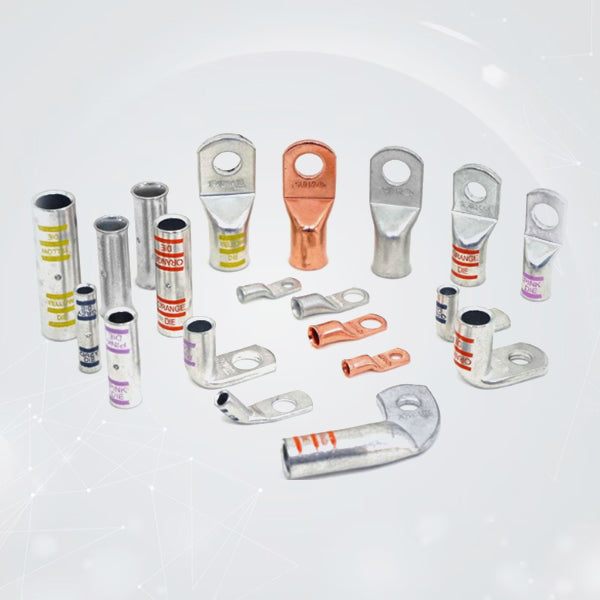


Why 1 AWG Tinned Lugs are Essential for Marine Electrical Systems
Saltwater is an absolute killer for boat wiring. If you drop a standard automotive terminal into a damp bilge or leave it exposed to open ocean air, the circuit is going to fail before the season even gets going.
The moment raw copper strands face high humidity and salt spray, you are on a fast track to electrical failure.
On heavy-duty marine electrical networks, 1 AWG wire is the go-to size for handling massive currents. This heavy cabling runs to high-output alternators, primary battery banks, and high-draw windlasses or thrusters. At this level, you are moving serious juice, and any weak point in the network becomes an immediate fire hazard or a total power bottleneck.
That is why using a dedicated 1 awg tinned lug is non-negotiable when you are out on the open water.
Skimping on terminal hardware to save a few bucks causes sudden power drops when your electronics need it most. Salt air creeps straight into unprotected connections, driving up resistance and turning the terminal barrel into a tiny heater. When managing heavy electrical loads miles from the nearest dock, installing premium 1 gauge tinned copper lugs is your main defense against total power loss.
The Reality of Commercial Service Hardware
Look at the unbranded electrical connectors sitting in discount retail bulk bins. Most of those generic options are cast from brittle zinc blends or cheap brass alloys with nothing but a thin, shiny cosmetic plating on the outside.
They break under mechanical stress.
The second you hit those cheap barrels with thousands of pounds of force from a professional hydraulic crimper, they split wide open down the seam or crack across the mounting pad. Even if they somehow bolt down without breaking during installation, their actual electrical conductivity is garbage compared to high-purity copper.
Boat engine bays and battery lockers are brutal on metal. Waves slam the hull, causing intense vibrations, while temperatures inside the compartment swing wildly. Thin retail terminals warp under this constant pounding. The mechanical grip on the wire relaxes, internal resistance shoots up, and the resulting voltage drops can fry expensive navigation electronics or leave your starter motor clicking.
Why Pure Copper Needs a Tin Coating
Long-term ocean reliability comes down to the metallurgy. Top-tier marine power networks depend on terminations built from seamless C11000 electrolytic copper. This specific grade gives you the highest possible electrical and thermal performance. Because pure copper is naturally soft and workable, it crushes uniformly under heavy tool pressure.
Instead of cracking along a weak seam, a seamless barrel flows directly around the individual wire strands. This action fuses the wire and the connector into one dense, solid block of copper with zero internal air pockets left behind.
But raw, bare copper oxidizes the moment it hits damp, salty air. It develops that ugly green crust—copper carbonate—which completely ruins electrical conductivity.
An electroplated finish stops that rot before it starts. Tin completely ignores moisture, salt spray, and battery acids. A micro-thin layer of tin completely wraps the raw copper core to form an airtight barrier. This plating keeps the underlying copper isolated so your 1 awg tinned copper lugs maintain their raw current-carrying capacity without ever touching the air.
Solder vs. Mechanical Crimping
An old dockside repair trick that consistently ruins heavy marine wiring is using a propane torch and solder to secure cable connectors. Solder looks clean at first, but professional marine electrical standards ban the process for high-vibration applications.
As heat melts the solder into the terminal barrel, capillary action draws the liquid metal straight up the flexible stranded wire past the lug entry. Once cooled, the solder hardens, turning a flexible marine cable into a stiff, solid metal rod.
Boats bash against waves and shake constantly. All that mechanical stress concentrates directly at the exact spot where the flexible wire insulation meets that rock-hard, soldered section. Over time, individual copper wire strands suffer from metal fatigue and snap clean off right at the back of the terminal barrel.
The industry standard for compliance is a gas-tight mechanical crimp. Forcing the barrel to compress uniformly from six sides cold-welds the wire strands directly to the inner walls, sealing out all air so interior salt rot cannot start.
The 1 AWG Crimp Process
1. Strip It to Bare, Bright Copper
Do not ever crimp over dark, corroded, or greasy wire strands. If the cable has been sitting around a damp shop, chop the bad ends off until you hit clean, bright metal. If it still looks a little dull, scrub the strands aggressively with a stainless steel wire brush. You want that copper shining before it goes anywhere near the barrel.
2. Check Your Depth
Slide the wire jacket back to match the depth of the lug barrel. Shove the wire all the way in until copper strands pack tightly against the inspection window. The leftover insulation jacket needs to sit flush against the back of the barrel—keep any gap under a sixteenth of an inch.
3. Use the Right Hex Die
Match your wire gauge exactly to the die on your crimping tool. No guessing here. Use a solid hydraulic or manual hex tool to crush the barrel completely. Let the tool go through its full mechanical cycle so it cold-welds the strands and terminal walls into a single, solid chunk of copper.
4. Bury the Joint in Glue-Lined Heat Shrink
Slide a piece of heavy-wall, 3:1 adhesive-lined heat shrink directly over the raw metal connection and hit it with a heat gun. Wait until the internal glue melts and squirt out around the bottom edges of the tubing. That squeezed-out glue is your proof—it creates a permanent, waterproof seal that stops road salt, pooling water, and engine grease from rotting your wires over time.
Marine-Specific Upkeep Guidelines
Protecting an offshore vessel requires setting up a regular inspection schedule for your heavy-duty lines before leaving the slip. At least once a season, pull back the battery box lids and physically inspect your 1 awg tinned copper lugs to ensure wave impacts haven't loosened the terminal nuts. Look closely at the edges of your protective boots and sleeves for any sign of salt crust or white powder trying to build up near the junction. Coating the exposed, bolted flat faces with a specialized marine-grade anti-corrosion barrier or dialectic shielding grease adds a critical secondary defense layer against high-humidity engine rooms.
If a connection needs to be broken down during an electronics upgrade, wipe the contact faces completely clean using isopropyl alcohol and a lint-free shop towel to protect the bright outer metal layer.
- Never use coarse abrasives: Keep files, steel wool, and gritty emery cloth away from your connections. Scouring the surface scratches right through the protective plating of your 1 gauge tinned lugs, leaving the vulnerable raw copper substrate completely open to rapid green salt rot.
- Discard compromised connections immediately: If the protective coating is flaking away, showing deep gouges, or exposing raw pink copper near the wire entry, scrap it. Cutting the cable back to clean wire and crimping a fresh connector onto your line is the only way to ensure your boat's electrical safety.
Marine Component Integration Solutions
An offshore electrical network is only as dependable as its primary terminations. Leaving thin, cheap terminal ends on critical high-current lines guarantees sudden voltage drops, overheating components, and hours of frustrating troubleshooting while stranded out on the water.
When your vessel demands hardware capable of withstanding constant hull vibrations and damp bilge environments, upgrading to the Selterm heavy-duty line provides the reliability your boat needs. These terminals are formed from thick-walled, seamless copper tubes engineered to handle extreme crimping pressure without splitting open along a weak seam.
Replacing old, weathered factory connections with premium 1 awg tinned lug terminals prevents resistance bottlenecks and keeps your high-draw accessories drawing clean power. Combining high-purity copper metallurgy with an electroplated finish, professional hex compression, and a solid dual-wall heat shrink seal creates a reliable, high-efficiency marine power pipeline built to cruise safely for decades.