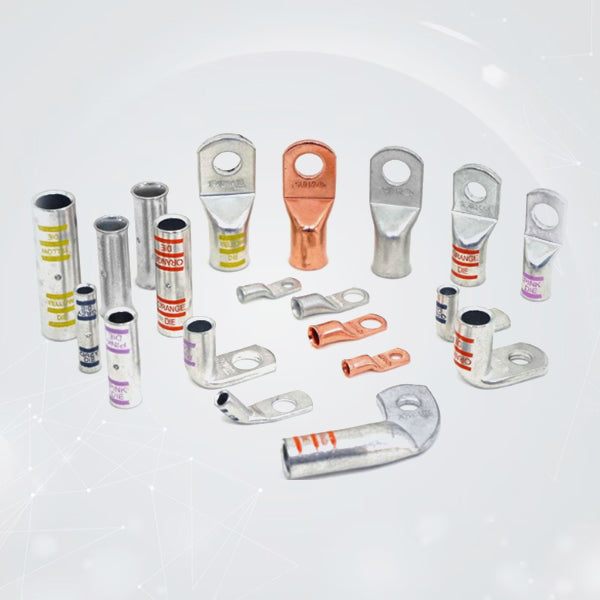


4 AWG Lug Stud Size Chart: Matching Lugs to Your Bolts
Ever buy a set of wire ends online, pull your truck into the driveway, strip the power lines, and realize the mounting hole on the flat metal pad is way too small for your battery switch bolt? Or worse, you buy a hole size that is absolutely massive, and your mounting nut almost slips right through the opening.
That is tedious work.
Size matters here. Upgrading to a 4 awg lug means you cannot treat bolt choice like an afterthought. It is a strict safety issue.
Think about what a 4-gauge wire actually does. It carries massive current. We are talking high-amperage draws like marine trolling motors, heavy truck starters, and solar battery banks.
A sloppy fit ruins the whole point of heavy wire. If your mounting bolt is too small for the hole on the flat connector pad, your metal contact area instantly shrinks.
Less metal contact means a major bottleneck for your power. Your voltage drops, electronics start glitching, and that junction will generate extreme physical heat. Under heavy electrical loads, that localized heat will easily cook the protective rubber insulation right off your copper wire strands.
When you lose contact area, you get a bottleneck. Power drops, electronics glitch, and the joint can get hot enough to cook the rubber insulation right off the copper strands. Getting a clean, reliable circuit means understanding how to read a size chart and choosing the right 4 awg battery lug for the hardware on your gear.
The 4 AWG Bolt Size Guide
Stop guessing at sizes on the workbench. Use this breakdown of standard American hole sizes for 4-gauge electrical connections to match your bolts to the correct metal pad before you start cutting any wire.
|
Standard Bolt Size |
Hole Diameter (Inches) |
Common Uses |
|
#10 Stud |
0.200" |
Small terminal strips, auxiliary fuse boxes, dash accessories |
|
1/4" Stud |
0.250" |
Compact marine switches, power blocks, grounding spots |
|
5/16" Stud |
0.312" |
Truck starter solenoids, mid-size inverter terminals |
|
3/8" Stud |
0.375" |
Heavy-duty battery posts, truck winches, main power bars |
|
1/2" Stud |
0.500" |
Massive industrial battery banks, main ground rods, large switches |
Why Guessing on Hole Sizes Destroys Your Electrical Power
Ever see someone hack a wiring job in a messy garage? They grab whatever terminal is rolling around in the bottom of the toolbox. If the hole is too small for a 3/8" engine bolt, they just grab a hand drill and bore out the center of the copper pad.
That completely ruins the terminal.
Drilling out a factory hole removes the copper mass right where you need it most. That structural thinning kills the connector's ability to move heavy current. The metal runs incredibly hot, warps from the heat, and eventually snaps under normal engine vibration.
The opposite mistake is just as bad.
Fixing a massive 1/2" hole terminal onto a narrow 5/16" stud leaves a giant physical gap around the bolt shank. Even if you stack wide washers to clamp it down, the actual metal-to-metal contact on the bottom of the pad is tiny. Power has to fight its way through a narrow choke point due to which the bottleneck drives up resistance, drops your voltage, and leaves you with a slow-cranking starter or random low-voltage dash alarms.
Pure Seamless Copper vs. Cheap Plated Junk
Baseline metal choice is everything. If you want a 4-gauge setup to last for decades without constant troubleshooting, stop buying the cheap unbranded connectors found in bulk retail bins. Most of that retail stuff is cast from brittle zinc or recycled brass scrap with a paper-thin copper flash plating on the outside. Apply real pressure with a crimper, and they split wide open down the barrel seam.
Solid electrical networks rely on heavy-wall terminals built from pure, seamless C11000 electrolytic copper.
Pure copper is workable. When you crush it, the metal deforms uniformly, flowing directly around the individual wire strands to fuse everything into an airtight metal block. No seams to split. No internal air pockets to trap moisture or battery fumes.
Your environment dictates the finish you need:
- Bare Copper Lugs: Bare Finish: Perfect for dry truck interiors, trunk-mounted battery setups, or sealed enclosures behind the dash. High-purity 4 gauge copper lugs give you the lowest possible raw contact resistance right out of the box.
- Tin-Plated Lugs: Absolutely mandatory if your wires run underneath the truck frame, near open wheel wells, or inside damp boat bilges. The micro-thin tin layer shields the underlying copper from green rot, road salt, and harsh chemical weathering.
How to Crush a Terminal Right the First Time
Put down the hammer and chisel. Smashing a heavy wire connector with a hammer or locking it into a standard bench vise just deforms the outside of the barrel into a weird shape. It fails to apply tight, even pressure to the copper strands inside. Loose strands leave internal air gaps where oxygen and humidity hide, rotting your wire from the inside out.
Do this instead:
Cut your 4 AWG wire perfectly square with dedicated cable cutters. If the exposed strands look dull or dark, scrub them down with a stainless wire brush until they shine like new money. Never crimp over dirty metal.
Strip the rubber jacket back to match the exact length of the lug barrel. Push the wire completely into the terminal until the strands pop up clearly in the little inspection window. Keep the insulation tight against the back of the metal barrel.
Match your wire size exactly to the correct slot on your crimping tool. Execute a full mechanical squeeze to force the round barrel to crush down uniformly, cold-welding the wire and the terminal walls into one seamless chunk of copper.
Slide a section of heavy-wall, adhesive-lined 3:1 heat shrink tubing over the finished joint and hit it with a heat gun. The internal glue melts and squirts out the edges, creating a permanent, waterproof boot that locks out road salt, water, engine oil, and corrosive vapors.
Hardware Designed for Severe Service
Your electrical power setup is only as good as its weakest connection. Cutting corners on small parts always costs more later in troubleshooting, dead components, or roadside electrical failures.
The heavy-duty choices available in the Selterm 4 AWG Collection are built specifically to handle the extreme heat and high vibrations found under heavy vehicle hoods. Manufactured from seamless copper tubes with heavy, precision-machined flat pads, these components accept full crimping forces without splitting or cracking apart.
Upgrading your wiring connections with premium 4 awg wire lugs eliminates the risk of resistance build-up, erratic voltage drops, and structural metal failures. Combining high-purity copper metallurgy with professional tooling and a proper adhesive-lined heat shrink seal provides a cool-running, highly efficient power network that runs safely for decades.