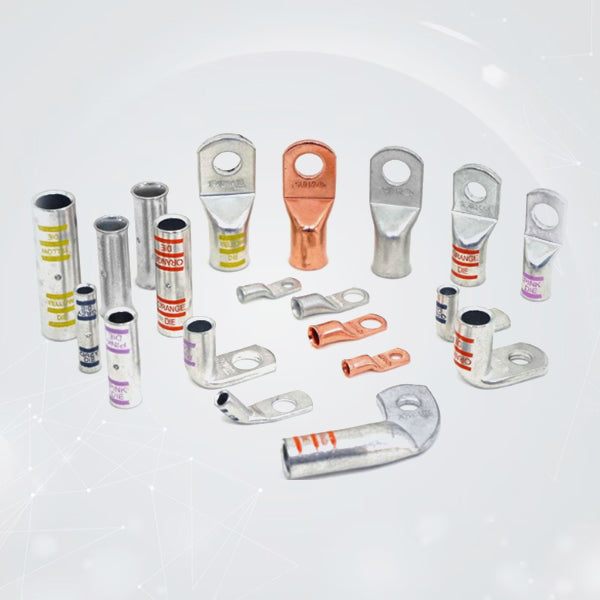


Avoid Common Mistakes When Using 4 Gauge Tinned Lugs
Electrical systems don’t usually fail suddenly. Problems tend to build over time, starting with minor installation errors that are easy to miss. In 4 AWG tinned lug connections, these mistakes often lead to heat, voltage loss, or corrosion around the terminal.
4 AWG tinned lugs are chosen for durability, especially in vehicles, marine setups, solar systems, and battery banks. But the 4 AWG tinned lug alone does not guarantee performance. How it’s installed matters just as much as the material itself. This guide breaks down the most common mistakes and how to avoid them, based on real-world installations that see daily load and environmental stress.
Understanding What 4 Gauge Tinned Lugs Are Designed For
The 4 gauge tinned lug functions as a current conductor, which protects against water damage and metal corrosion during its operation at moderate to high electrical loads. The tin layer shields the copper base. This makes these 4 AWG tinned lugs perfect for areas with direct exposure and locations that experience high humidity levels.
They are commonly used in:
- Automotive and car audio systems
- RV and marine battery banks
- Solar power connections
- Backup power and inverter setups
Because these systems often carry continuous load, even minor installation issues can create long-term reliability problems.
Mistake 1: Choosing the Wrong Lug Size or Stud Hole
One of the most common errors is mismatching the lug to the cable or terminal.
Problems arise when:
- The cable gauge does not match the lug rating
- The stud hole is too large or too small
- The barrel length is insufficient for full insertion
A loose fit increases resistance. An oversized hole reduces contact area. Always confirm both the cable gauge and stud size before installing 4 gauge tinned copper lugs.
Mistake 2: Poor Cable Preparation Before Crimping
How the cable is prepared directly affects the quality of the crimp.
Common preparation mistakes include:
- Nicking or cutting conductor strands
- Stripping too much insulation
- Leaving strands uneven or flared
Damaged strands reduce current capacity and create weak points inside the barrel. Clean, straight, evenly stripped conductors allow the 4 AWG tinned lug to compress uniformly and hold under vibration.
Mistake 3: Using the Wrong Crimping Tool
Not all crimpers are suitable for 4 gauge tinned lugs.
Using pliers, hammer-style crimps, or undersized dies often leads to:
- Incomplete compression
- Internal air gaps
- Uneven pressure points
The proper hex or hydraulic crimping tool for 4 gauge tinned lugs applies even pressure throughout the entire barrel. The method produces a gas-tight bond which remains strong throughout extended periods.
Mistake 4: Incomplete or Uneven Crimps
Even with the right tool, technique matters.
Signs of a bad crimp include:
- Lug rotating on the cable
- Visible gaps or deformation
- Uneven compression marks
A correct crimp should firmly lock the conductor in place without crushing the barrel. If the lug can twist or slide, it will eventually fail under load.
Mistake 5: Skipping Proper Sealing and Protection
4 AWG tinned lugs resist corrosion, but they are not immune to environmental exposure.
Skipping heat shrink or insulation can lead to:
- Moisture intrusion
- Oxidation at the cable end
- Corrosion creeping under the insulation
Using adhesive-lined heat shrink seals the joint and protects both the barrel and conductor. This step is especially important in marine, RV, and outdoor installations using 4 gauge tinned lugs.
Mistake 6: Ignoring Application-Specific Requirements
Different applications place different demands on the same lug.
For example:
- Marine setups face salt and constant humidity
- Vehicles experience vibration and temperature changes
- Solar systems deal with daily thermal cycling
Failing to account for these factors leads to premature wear. Choosing the right 4 AWG tinned lug style and installing it correctly ensures the connection holds up under real conditions.
How Real-World Conditions Affect 4 Gauge Tinned Lugs
Even a well-installed lug is constantly tested once the system is live. The connection faces ongoing heat accumulation because of strong electrical flows and multiple load repetitions, and vibration effects. Metal components in vehicles, RVs, and marine setups experience expansion and contraction because of their motion and changing temperatures throughout their lifespan. The connection will become loose or develop more resistance when the crimp lacks proper strength to hold together.
This is why careful installation and proper support matter. When 4 gauge tinned lugs are installed correctly, they hold their shape, maintain conductivity, and perform reliably despite daily mechanical and electrical stress.
Best Practices for Long-Term Reliability
To get the most from 4 gauge tinned copper lugs, follow these best practices:
- Match lug, cable, and terminal sizes exactly
- Use the correct crimping tool and die
- Inspect every crimp before sealing
- Apply heat shrink evenly for full coverage
- Periodically check connections in high-load systems
These steps reduce resistance, limit heat buildup, and extend the life of your electrical system.
The Small Details That Matter Most
When 4 gauge tinned lugs fail, the cause is usually not the lug itself. Small installation mistakes tend to add up over time. Proper sizing, clean preparation, correct crimping, and sealing are what separate weak connections from durable ones.
If you’re planning an upgrade or correcting existing wiring, check out Selterm’s properly sized 4 gauge tinned copper lugs designed for secure crimps and dependable performance in demanding electrical setups.