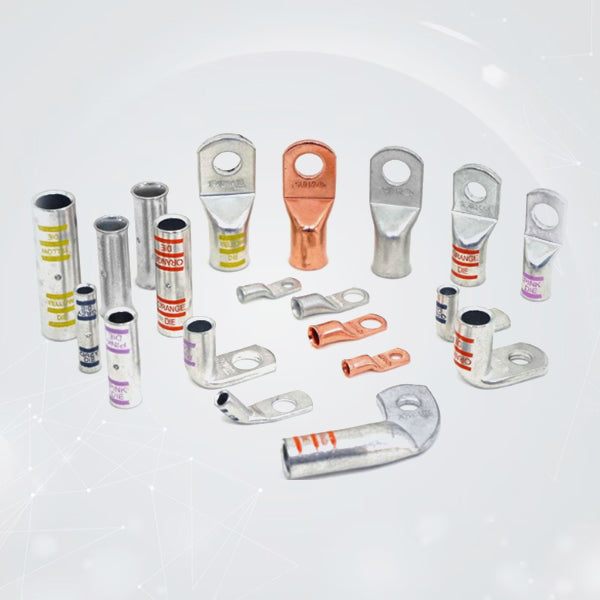


Avoiding Poor Grounding: Mistakes When Installing a Solar Grounding Lug
Grounding forms the silent backbone of any solar system. It stands between you and electrical faults, lightning strikes, or worse. When done right, nobody notices. When done wrong, the entire array goes offline, inverters throw errors, and repair bills stack up fast. The solar grounding lug serves as that critical connection point, bonding panel frames, racking, and equipment to earth ground.
Too many installers treat grounding as an afterthought. They grab whatever lug sits handy, slap it on, and call it done. Months later, corrosion creeps in, connections loosen, or fault currents find the weak spot. This guide covers the most common mistakes with solar grounding lugs and solar panel grounding lugs. It shows exactly what goes wrong and how to build connections that last 25 years.
Mistake #1: Installing on Dirty or Coated Surfaces
Nothing kills a ground connection faster than poor metal-to-metal contact. Solar panel frames arrive from factories coated in protective anodizing, oils, or shipping grime. Slapping a solar grounding lug onto that surface leaves 70-80% air gaps beneath. Resistance jumps from milliohms to several ohms, turning your ground path into an insulator.
One Florida installer chased monthly ground faults across a 12kW rooftop for six months. Panels tested fine. Inverters logged errors. The culprit? Factory anodizing hid under every lug. A quick scuff with stainless steel pads and isopropyl alcohol fixed it instantly. Continuity dropped to 0.02 ohms across the array.
The Fix: Always prepare the surface properly. Use a stainless steel wire brush or scuff pad to expose at least a 2x2 inch bare metal area. Wipe with isopropyl alcohol to remove residues. Install the solar wire lugs within 30 minutes before fresh oxidation forms. In coastal areas, repeat the cleaning process if rain hits before installation completes.
Mistake #2: Mismatched Lugs and Ground Wire Size
Ground wires typically run 6-10 AWG for residential arrays, but many installers grab the wrong solar grounding lug barrel size. A 10 AWG wire stuffed into an 8 AWG lug crushes strands and spikes resistance. A 6 AWG wire swimming in a 10 AWG barrel leaves dangerous air pockets where fault currents arc.
NEC 690.43 sets clear rules. Equipment grounding conductors must handle 25% of the branch circuit's overcurrent protection rating. A 30A solar string needs at least 12 AWG ground wire. Undersized heavy duty lugs melt when lightning hits or inverters fault.
The Fix: Match barrel inner diameter exactly to your wire gauge. Tinned copper solar panel grounding lugs with inspection holes let you verify full strand insertion. Strip precisely 1/2 inch of insulation. Never use pliers or vise-grips - they deform barrels and cut copper strands. Invest in proper hex crimp dies instead.
Mistake #3: Using Bare Copper in Outdoor Environments
Mother Nature attacks copper connections relentlessly. Humidity, UV exposure, and temperature swings turn bare copper solar grounding lugs green within 6-12 months. That oxide layer acts like electrical tape, blocking fault currents when you need them most.
Galvanic corrosion accelerates the problem. Aluminum panel frames plus bare copper lugs create electrolytic cells whenever moisture bridges them. Rainwater acts as the electrolyte, eating both metals from the contact point outward.
The Fix: Specify tinned heavy duty lugs for any outdoor exposure. The thin tin plating sacrifices 1% conductivity for 10x corrosion resistance. Independent tests show tinned solar wire lugs maintaining 50 micro-ohms resistance after 5 years of saltwater spray. Bare copper fails at 5 ohms in the same conditions. For coastal or humid installations, tin becomes non-negotiable.
Mistake #4: Incorrect Bolt Torque Settings
Installers rely on "hand tight plus quarter turn" far too often. Both under-torquing and over-torquing destroy ground connections equally. Loose bolts vibrate free during wind loads or thermal expansion. Aluminum racking expands five times faster than steel bolts, working lugs loose over seasonal cycles.
Over-torqued bolts strip delicate aluminum threads or flatten copper pads, reducing contact area by 40%. One commercial 50kW array lost 8% production because 85% of solar grounding lugs sat at wrong torque values.
The Fix: Use a calibrated torque wrench every time. M6 ground lugs take 20-25 in-lbs. M8 bolts need 60-80 in-lbs. Mark the final position with torque stripe paint. Recheck after the first full heat cycle and annually thereafter. Professional installers carry inch-pound torque wrenches as standard kit.
Mistake #5: Cheap Hardware Without Safety Certifications
"$1.99 special" lugs from hardware stores fail spectacularly under fault conditions. They skip UL 486A testing, which simulates 10kA short circuits. Unlisted solar panel grounding lugs eject molten copper or arc wildly when stressed.
Many knockoffs use magnetic stainless steel instead of true non-magnetic 316 marine grade. Fault currents induce heat in magnetic materials, melting connections at half the rated current.
The Fix: Demand UL-listed or CSA-certified heavy duty lugs. Quality solar grounding lugs feature self-tapping screws that reliably penetrate anodizing without pre-drilling. Open-slot designs daisy-chain multiple wires quickly while maintaining individual fault paths. Pay $3-5 per lug upfront to avoid $5,000 array downtime later.
Mistake #6: Incomplete Equipment Bonding
Grounding one panel frame means nothing. Every piece of metal in the system - racking legs, combiner boxes, conduit, inverter chassis, even flashing - needs a dedicated path to earth. Skip any component, and fault currents jump unpredictably through unintended paths.
The Fix: Create a complete bonding scheme. WEEB-style solar panel grounding lugs automatically bond module frames to rails with one fastener per junction box. Run 6 AWG equipment grounding conductors along racking spans. Bond every metallic conduit and enclosure. Green inspectors love comprehensive bonding diagrams showing every connection point.
Mistake #7: Wrong Lug Design for the Application
Battery lugs and PV frame lugs look similar but perform completely differently. Heavy battery-style solar wire lugs crush thin aluminum racking. Frame-specific designs use 10-32 stainless screws optimized for 0.040-inch aluminum thickness.
The Fix: Match lug type to mounting surface. Middle-of-rail lugs secure with 10-32 self-tappers. End-of-rail positions need lay-in lug designs. Bus bar connections demand ring terminals with proper stud sizing. Heavy duty lugs rated for 600VDC systems handle modern high-voltage strings safely.
Early Warning Signs of Grounding Trouble
Smart inverters catch problems first. "Ground fault," "PE fault," or "isolation monitoring" errors point straight to lug issues. Production drops 5-10%? Check ground bonds immediately.
Thermal scans reveal hot lugs under load. 15°C rise above ambient means replace now. Visible green corrosion or loose bolts demand instant attention, especially before lightning season.
Perfect Installation Walkthrough
Follow this sequence every time:
- Power down completely. Verify zero volts at all conductors.
- Clean contact area thoroughly. 2x2 inch minimum bare metal.
- Select the proper lug type. Match wire gauge and mounting surface.
- Insert wire fully. Confirm through inspection hole.
- Torque precisely. Use a calibrated wrench, mark position.
- Apply dielectric grease. Seal threads from moisture intrusion.
- Test continuity. Less than 0.1 ohm to ground rod required.
- Label all bonds. Green tape identifies ground paths clearly.
A Midwest dairy farm's 25kW array faulted weekly. Resistance measured 2.5 ohms across bonds. Tinned heavy duty lugs dropped readings to 0.015 ohms. Zero faults since installation.
Quick Reference Sizing Guide
| Array Size | Ground Wire | Recommended Lug | Torque Setting |
| 1-5 kW | 10 AWG | Frame Clamp | 20 in-lbs |
| 10-25 kW | 8 AWG | Daisy Chain | 60 in-lbs |
| 50+ kW | 6 AWG | Heavy Duty | 80 in-lbs |
Where to Source Reliable Components
The Selterm tinned copper collection stocks PV-rated solar grounding lugs for every rail profile and wire size. Their heavy duty options meet UL standards with clear installation guides.
Start shopping at Selterm.com for complete grounding kits.
The High Cost of Cutting Corners
Every skipped cleaning step, wrong torque setting, or cheap lug choice compounds risk.
One lightning strike through poor solar panel grounding lugs costs $15,000+ in panel replacement. Annual production losses from high-resistance grounds steal thousands in lost revenue.
Quality solar grounding lugs cost pennies per watt but deliver priceless protection. Walk your array today. Tug every wire. Verify torque marks. Replace suspect connections before summer storms hit.
Weekend Warrior Checklist:
- Stainless scuff pad in every kit
- Inch-pound torque wrench mandatory
- Tinned lugs for all outdoor work
- Continuity tester verifies every bond
- Annual inspections catch problems early
Clean, tight, tinned connections work invisibly for decades. Poor grounds demand expensive attention yearly. Choose wisely.