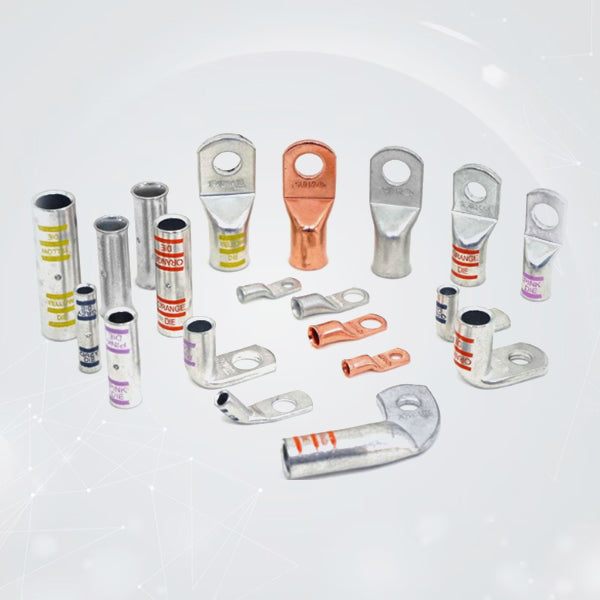


How Cable Lugs Affect Electrical Performance and System Safety
When people think about electrical systems, they usually think about cables, batteries, or the power source. But how well a setup actually works often comes down to the connections. One small, often ignored part can decide whether everything runs smoothly or starts causing heat, voltage loss, or safety problems. That part is the cable lugs.
From cars and boats to solar setups, RVs, and DIY power projects, cable lugs (also known as battery connectors or bare copper lugs) have a real impact on how electricity flows and how safe the system stays over time. Understanding this early helps you make connections that last instead of dealing with failures later.
Why Cable Lugs Matter More Than You Think
Every electrical system depends on solid contact points. A cable can be perfectly sized and rated, but if the lug at the end is poorly chosen or installed, performance drops immediately.
Cable lugs are what join the wire to the terminal. When they’re chosen and installed correctly, power flows smoothly and the connection stays secure. A weak or mismatched lug creates resistance, which leads to heat, lost power, and damage over time.
In setups that handle a lot of current, like battery banks or inverters, small losses show up fast.
The Direct Link Between Cable Lugs and Electrical Performance
1. Resistance and Voltage Drop
A properly sized and crimped lug creates a low-resistance connection. When resistance increases, voltage drops across the joint. This means less power reaches the load, whether it’s a motor, inverter, or charging system.
Poor-quality or loose lugs often cause:
- Reduced system efficiency
- Inconsistent performance
- Overworked components
This is especially critical in battery-powered systems, where voltage stability matters.
2. Heat Generation at the Connection Point
Heat is one of the first warning signs of a bad connection. Undersized or poorly crimped lugs force current through a smaller contact area, generating heat at the terminal.
Over time, this can:
- Damage insulation
- Loosen terminals
- Accelerate corrosion
- Increase fire risk
High-quality battery connector lugs are designed to spread current evenly and minimize localized heating.
3. Current Handling Capability
Every lug is rated for a specific wire gauge and current range. Using a lug that doesn’t match the conductor size limits how much current the system can safely carry.
Bare copper lugs, for example, are often chosen for high-current applications because of their excellent conductivity. When matched correctly, they allow the system to operate closer to its intended capacity without stress.
How Cable Lugs Contribute to System Safety
Mechanical Strength and Vibration Resistance
Electrical systems don’t stay perfectly still. Vehicles, boats, and RVs experience constant vibration. Even stationary systems expand and contract with temperature changes.
A well-designed lug provides:
- Strong mechanical grip
- Resistance to loosening
- Stable long-term contact
Weak connections eventually fail, often without visible warning.
Corrosion Protection
Corrosion increases resistance and weakens the connection. This is a major safety issue in outdoor, marine, and battery environments.
Bare copper lugs perform well electrically, but in humid or corrosive environments, tinned copper options offer added protection. Choosing the right lug material helps prevent degradation that leads to unsafe conditions.
Fault and Short-Circuit Management
During faults or sudden current spikes, the connection must remain intact long enough for protection systems to respond. A poor lug may fail instantly, creating sparks or open circuits.
Reliable battery connectors ensure fault currents travel through the intended path instead of creating unpredictable risks.
Common Mistakes That Affect Performance and Safety
Even experienced installers can make these mistakes:
- Using the wrong lug size for the cable
- Mixing incompatible metals between lug and terminal
- Improper crimping or tool selection
- Skipping strain relief
- Reusing damaged or deformed lugs
Each of these increases resistance, heat, or mechanical failure risk.
Bare Copper vs Other Lug Materials
Bare copper lugs are widely used because they offer:
- Excellent conductivity
- Strong mechanical strength
- Reliable performance in controlled environments
However, material choice should always consider the environment. For outdoor or high-moisture applications, additional surface protection may be needed.
Selterm offers lug options designed to handle both performance and durability requirements across different use cases.
Choosing the Right Cable Lug for Your System
Before selecting a lug, consider these factors:
- Wire gauge compatibility
- Current rating
- Terminal stud size
- Environment exposure
- Installation method and tools
Matching all five ensures the connection supports both electrical efficiency and safety.
Installation Quality Matters as Much as the Lug Itself
Even the best lug fails if installed poorly. A proper crimp should:
- Compress strands evenly
- Eliminate air gaps
- Create a solid mechanical bond
Avoid makeshift tools. Proper crimping ensures the lug becomes an extension of the conductor, not a weak point.
Why Selterm Cable Lugs Make a Difference
Selterm designs cable lugs with real-world applications in mind. Their products focus on:
- High conductivity materials
- Accurate sizing
- Strong mechanical performance
- Consistent quality across batches
This makes them suitable for demanding applications where reliability is non-negotiable.
Ensuring Efficiency and Safety in Every Connection
Even though they’re tiny, cable lugs have a huge impact. The right lug keeps electricity flowing smoothly, connections strong, and your system safe from unnecessary problems. Whether it’s a battery, inverter, or other power setup, a good lug makes all the difference.
If you’re upgrading or building a system, explore Selterm’s range of battery connector lugs, bare copper lugs, and other high-performance battery connectors designed for safe, efficient electrical connections. Choosing the right lug today saves troubleshooting tomorrow.