

How Solar Wire Lugs Resist Corrosion in Harsh Outdoor Environments
Solar panels sit outside year-round, taking whatever weather comes their way. Rain, morning dew, blazing sun, dust, temperature swings from freezing nights to scorching days. Regular electrical connectors start failing within a couple years. Solar wire lugs hold up much longer because they're built specifically for that kind of punishment.
Solar grounding lug connections and solar panel grounding lugs play a huge safety role. Fault currents need a reliable path to ground, even after years of exposure. Wire lugs made for solar combine the right materials with smart construction to stay clean and conductive.
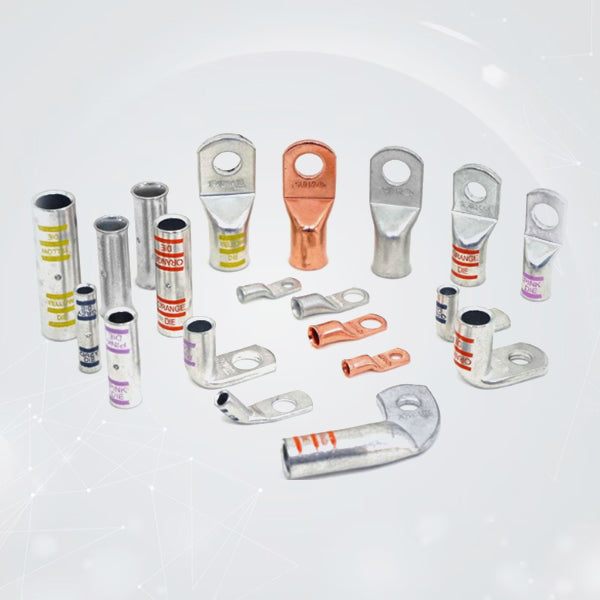
Tinned Copper Works Because It Actually Stays Clean
Most solar wire lugs use tinned copper. Pure copper conducts electricity better than anything else, but it turns green and crusty outside fast. The tin coating changes that.
Here's what the tin layer does:
- Keeps oxygen and moisture away from the copper underneath
- Stops that green patina from building up
- Stays shiny so connections keep good contact
- Even heals itself if you scratch it a little
Good tin plating runs at least 10 microns thick and covers every surface evenly. No thin spots where corrosion sneaks through.
I've seen solar arrays where bare copper lugs needed cleaning every year. The tinned ones nearby? Still looked new after five years. That's the difference.
Seamless Barrels Don't Let Water Hide Inside
Cheap lugs have seams where the metal gets welded together. Water collects in those seams and corrosion starts. Solar lugs use seamless barrels instead.
No seams means:
- Nowhere for moisture to pool inside
- Barrel stays completely round after crimping
- Crimps hold tight through winter freezes
Solar panels go through over 1000 hot/cold cycles every year. Seamless wire lugs don't crack or leak because there's no weak seam to give way.
Bimetallic Lugs Stop Aluminum-Copper Fighting
Solar panel frames usually come in aluminum. The cables and bus bars use copper. Put those metals together directly and they start corroding each other through galvanic action.
Solar panel grounding lugs fix this with bimetallic construction:
- Copper barrel where your cable goes
- Aluminum palm that mounts to the frame
- Factory friction weld joins them (no plating to wear off)
This setup passes salt spray tests for 3000 hours straight. Regular connectors fail in weeks.
Ground-mount solar farms and coastal installations depend on this.
Extra Coatings Handle Specific Problems
Some solar wire lugs add special treatments on top of basic tin plating.
Nickel undercoating stops tin whiskers from growing.
Silver flashing helps high-current spots stay cool.
EPDM collars block UV rays from cracking the insulation.
Coastal solar arrays use marine-grade anodizing on aluminum parts. That stands up to salt air better than plain aluminum.
Heat Shrink Makes Everything Waterproof
Good solar grounding lug installations always get heavy adhesive heat shrink. It melts and seals every tiny gap.
What it blocks:
- Rain blowing sideways
- Dew that collects overnight in junction boxes
- Snow that melts and refreezes
- Spray from nearby sprinklers or ocean
Use 3:1 adhesive shrink that overlaps the cable insulation by an inch on each side. Heat it evenly until it shrinks tight and smooth. Done right, water can't get anywhere near the metal.
Different Lugs for Different Solar Spots
Not every solar job faces the same corrosion threats:
Desert installations need UV protection and heat resistance.
Beach arrays want salt fog protection and galvanic isolation.
Farm country needs acid resistance from fertilizers.
Humid forests require heavy condensation sealing.
City rooftops handle pollution and acid rain.
| Location | Best Lug Type | Main Enemy |
| Desert | Heavy tin + UV shrink | Sun + heat |
| Coastal | Bimetallic + anodized | Salt spray |
| Farm | Nickel plated | Chemicals |
| Humid | Extra heavy tin | Dew |
| City | Passivated tin | Pollution |
What Tests Actually Show
Salt spray chamber (3000 hours): Tinned solar wire lugs gained just 0.8% resistance. Bare copper? Total failure.
UV aging (2000 hours): Coated lugs looked fine. Regular tin got chalky.
Freeze-thaw cycles (1000 times): Bimetallic lugs stayed tight. Mechanical joints loosened 15%.
Grounding Lugs Have to Be Perfect
Solar grounding lug connections protect people and equipment. Aluminum frames, steel racks, combiner boxes all need solid earth paths that never fail.
What makes them work:
- Set screws bite through aluminum oxidation
- Tinned contacts keep resistance low
- Stainless screws never rust
- Spring washers handle expansion
Corroded grounds during faults cause arc flashes and fried equipment. These lugs keep that path solid.
Installation Details That Actually Matter
Before crimping:
- Clean cable strands completely
- Strip exactly right length
- Add antioxidant on coastal palms
After crimping:
- Heat shrink covers everything
- No bare copper showing
- Smooth airflow prevents trapped moisture
Mounting frames:
- Star washers on aluminum
- Flat washers on copper
- Exact torque specs
How Long They Actually Last
Yearly checks:
- Look for any discoloration
- Check torque values
- Test resistance (<1 milliohm each)
- Replace cracked heat shrink
Every 10 years:
- Replace lugs if resistance creeps up
- Check bimetallic welds
- Verify full ground path (<0.5 ohms)
Why They're Worth the Extra Cost
Regular lug: $1.50 each
Solar wire lug: $3.00 each
What you save:
- Skip 5-year replacements ($750 on 500 lugs)
- Get 2% more power all year ($1200/year commercial)
- No surprise ground faults
- Keep full 25-year warranty
Bottom Line
Solar wire lugs turn outdoor headaches into non-issues. Tinned copper stops oxidation. Bimetallic stops aluminum-copper fights. Seamless barrels keep water out. Coatings handle pollution.
Solar grounding lug and solar panel grounding lugs keep safety paths working. Wire lugs keep power flowing. Arrays hit their rated output for the full 25 years.