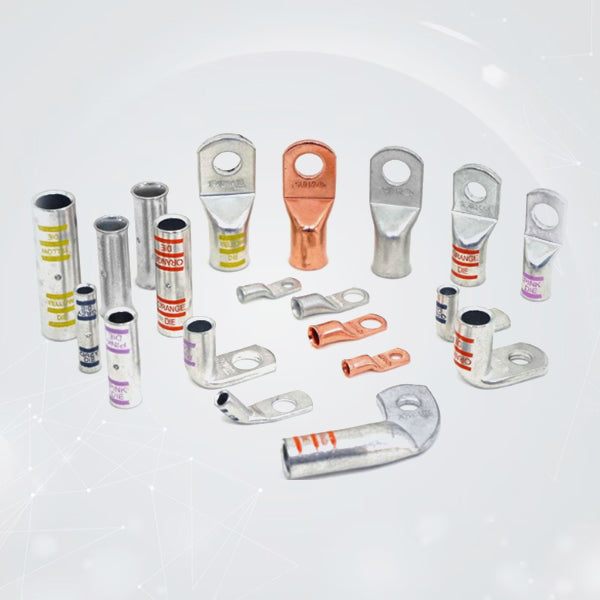


Marine Grade Heavy-Duty Lugs Explained: Materials, Coatings, and Performance
Marine electrical systems operate in one of the harshest environments possible. Constant moisture, salt exposure, vibration, and temperature changes can quickly damage standard connectors. That’s exactly why marine grade battery cable lugs are designed differently - and why using the right ones makes a noticeable difference in safety, performance, and longevity.
If you’re working on a boat, yacht, or marine battery setup, understanding what goes into a marine grade battery cable lugs will help you choose smarter and avoid costly rewiring later.
What Does “Marine Grade” Really Mean?
“Marine grade” isn’t just a label. It refers to components built specifically to handle:
- Saltwater corrosion
- High humidity and condensation
- Continuous vibration
- Long-term outdoor exposure
In practical terms, marine grade heavy-duty lugs are designed for environments where moisture and movement are constant. They stay secure, resist corrosion longer, and maintain a stable electrical connection even when conditions are less than ideal - something standard lugs aren’t built to do.
Core Materials Used in Marine Grade Battery Cable Lugs
High-Purity Copper Is the Foundation
At the heart of any reliable marine grade heavy-duty lugs is copper, specifically high-conductivity, oxygen-free copper.
Why it matters:
- Better current flow
- Lower heat buildup
- Reduced energy loss
Low-quality copper or mixed alloys may look fine initially but often fail faster in marine environments.
Coatings Explained: Bare vs Tinned Copper
One of the biggest differences you’ll notice when shopping for marine battery cable ends lugs is the surface finish.
Tinned Copper (Preferred for Marine Use)
- Copper coated with a thin layer of tin
- Resists oxidation and salt corrosion
- Extends lifespan significantly
Bare Copper
- Excellent conductivity
- More vulnerable to corrosion
- Better suited for dry, controlled environments
For boats and coastal setups, tinned copper is almost always the safer long-term choice.
Construction Features That Affect Performance
Not all lugs are built the same even if they use similar materials.
1. Seamless vs Seamed Barrels
- Seamless barrels provide stronger crimps
- Reduce air gaps that lead to corrosion
- Handle vibration better over time
2. Barrel Thickness
- Thicker barrels = higher current handling
- Less risk of deformation during crimping
3. Threaded Lug Designs
A marine battery cable lug threaded design allows:
- Secure mounting on studs
- Reduced loosening from vibration
- Cleaner, more stable connections
These are especially useful in battery terminals and grounding points.
Electrical Load & Heat Management (Often Overlooked)
Marine systems often carry higher current for longer periods especially in:
- House battery banks
- Inverters
- Windlasses and winches
A properly sized marine battery cable ends lugs help:
- Distribute current evenly
- Reduce resistance
- Prevent heat buildup at terminals
Undersized or poorly crimped lugs are a common cause of melted insulation and voltage drop.
Crimping vs Soldering: What Works Best on Boats?
For marine environments, proper crimping is preferred over soldering.
Why crimping works better:
- Maintains flexibility in vibrating systems
- Avoids heat damage to cable strands
- Creates a gas-tight connection when done correctly
Soldering can make cables stiff, increasing the risk of breakage over time especially in moving vessels.
Real-World Marine Applications
Marine battery cable ends lugs are commonly used in:
- Boat battery banks
- Starter motor connections
- Grounding systems
- Inverters and onboard power systems
Saltwater environments are unforgiving. A poor-quality lug can corrode internally long before visible damage appears, leading to voltage drops or complete system failure.
How to Choose the Right Marine Battery Cable Lugs
When selecting marine battery cable ends lugs, keep these factors in mind:
1. Cable Size
Always match the lug to the exact cable gauge. A loose fit leads to overheating.
2. Stud Size
Ensure the lug hole matches the terminal or stud diameter to avoid movement.
3. Environment
- Open deck or bilge area → tinned copper
- Enclosed, dry compartment → still recommended to use tinned for longevity
4. Installation Method
Use proper crimping tools and finish with adhesive-lined heat shrink for best results.
Common Mistakes Beginners Make
Even good components can fail if installed incorrectly.
Avoid these mistakes:
- Using automotive lugs in marine setups
- Skipping heat shrink insulation
- Over-crimping or under-crimping
- Mixing metals (causes galvanic corrosion)
Marine electrical reliability is often about small details done right.
Maintenance Tips to Extend Lug Life
Marine grade heavy-duty lugs are durable, but simple maintenance helps them last even longer:
- Periodically inspect for discoloration or looseness
- Clean terminals with a corrosion inhibitor
- Retighten connections during routine servicing
- Replace damaged heat shrink immediately
These steps take minutes but prevent major electrical issues later.
Reliable Connections Start with the Right Lug
Marine electrical systems don’t give much room for error. Moisture, salt in the air, and constant movement slowly wear down connections, and small issues can turn into bigger problems if the components aren’t up to the task. That’s why starting with the right lug matters more than most people realize.
Marine grade battery cable lugs are built with this environment in mind. Better materials, protective coatings, and solid construction help keep connections secure and current flowing smoothly, even after long periods of use. When the right lug is used, it adds reliability without needing constant attention.
If you’re working on a marine battery setup or replacing older connections, choosing components made specifically for marine conditions makes a real difference. Explore Selterm’s marine grade heavy-duty lugs to find dependable options designed for everyday use on the water.