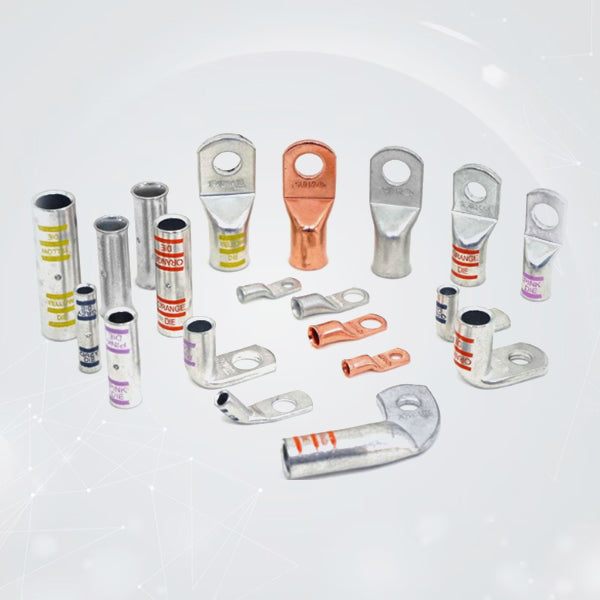


Meeting Industry Standards with High-Quality Copper Lugs
Real field work is not about neat diagrams and polished textbooks. It is about walking into a site, opening a panel, and knowing the inspector will not throw a fit over the terminations. In industrial power distribution, backup generator rooms, and large battery banks, the wiring has to be tight. If the job fails an inspection, the whole project stops, the client complains, and the crew gets stuck sorting it out.
At 0 AWG and 2/0 AWG levels the wire carries most of the current, however the weak point is almost always the connection. Putting some unverified, no‑name terminal on a high‑voltage line or a big battery bank is a quick way to get called out on the audit.
Meeting code is not optional. It is the baseline.
Poor, uncertified connectors drag down voltage, fail inspections, and damage expensive equipment. In major power installations, the only way to sleep at night is to use properly rated, certified 00 gauge lugs that are built for the real ampacity, not just the brochure number.
How Code Compliance Shows Up on a Job Site
Mechanical strength is the first thing that gets checked. Standard tests pull hard on the cable to make sure the lug does not slip or blow open. At 0 AWG and 2/0 AWG, the forces are serious. If the lug is thin‑walled or made from cheap brass instead of real copper, it will deform under that load. The pull‑test fails, the cable slips, and the inspector is not going to sign off.
Heat is the second issue. A properly certified 00 gauge battery lugs terminal has to stay within safe temperature limits when running at full ampacity. When hundreds of amps move through the circuit, any small resistance at the lug turns into heat. A bad lug runs hot, the insulation around it softens, and you end up with a thermal trip, a blown breaker, or worse. Inspectors know the signs: discolored wire, warped lugs, or an obvious hot spot on a thermal camera.
Visibility and marking matter just as much. The lug is not allowed to be a mystery piece. The inspection tag is looking for clear, permanent markings stamped into the barrel: wire size, manufacturer, and certification. If the inspector opens a combiner box or a battery room and sees unmarked, no‑name terminals, the audit is over before it really starts. The job is stopped, the crew has to pull those lugs out, and the timeline gets stretched.
Where the Right Lugs Really Matter
In a typical commercial setup, the circuits that draw the biggest loads also cause the biggest headaches when they fail.
Backup power systems and large solar inverters rely on 0 AWG and 2/0 AWG cables to move battery power from DC to AC. When a big generator kicks in during an outage, hundreds of amps slam into the conductors in a split second. The lug at the main connection has to swallow that surge without dropping voltage or throwing a hot arc. That is why a certified 1 0 awg tinned lug or 00 gauge lugs is not a luxury. It is the minimum requirement.
Data centers, telecom stations, and modern solar storage farms run banks of batteries wired in series or parallel. Those jumpers carry heavy currents 24 hours a day. Standard consumer terminals will overheat and crack under that kind of load. Heavy‑wall, certified terminations are what keep the resistance low and the joints stable over years of operation.
Material Quality and Finish
Passing an inspection is as much about the metal in the lug as it is about the way it is installed. Many cheap, imported connectors look shiny on the shelf but are cast from brittle zinc or low‑grade brass with only a thin copper flash. Under strong crimping pressure, those lugs split or crack. On the inside, the connection is not solid, and the ampacity is nowhere near what it should be.
Proper industrial lugs are made from seamless C11000 electrolytic copper. This grade is soft, workable, and highly conductive. When compressed under the right hydraulic pressure, the metal flows around the wire strands, forming a solid, dense block with no gaps inside. That kind of lug will not blow open under a pull‑test, and it will not turn into a hot spot under load.
The finish on the lug also plays a role.
Bare copper terminals give the lowest contact resistance. They work well in dry, controlled spaces like utility rooms, indoor panels, and sealed enclosures. As long as the environment is clean and the connection is properly greased, bare copper stays conductive and stable.
In damp or exposed areas, a 0 gauge tinned lug or 1 0 awg tinned lug is the better choice. A thin layer of tin over the copper core stands up to moisture, salt, and chemical fumes. That extra protection keeps the resistance low and the connection clean, even when the wiring runs in less‑than‑ideal conditions.
How the Lug Should Be Installed
The inspector does not care what the terminal looks like on the outside. The inspector cares about the joint.
Soldering main power cables is not allowed for good reason. When solder wicks up the strands, the cable turns stiff and brittle. Under vibration or movement, that section breaks at the back of the lug, and the joint fails. The only accepted method is a proper gas‑tight hexagonal crimp. A quality hydraulic or manual ratcheting crimper squeezes the lug barrel from six sides at once. The high pressure forces the strands together, pushing out the air and creating a solid, sealed connection.
A good practice on site is to keep it simple and repeatable.
- Cut the cable straight and clean.
- Brush the copper strands if they look dull or discolored.
- Strip the insulation to match the lug length and push the wire in until the strands show through the inspection window.
- Use the correct die for the wire size and fully cycle the tool.
- Slide heavy‑wall, adhesive‑lined heat‑shrink over the finished joint, then heat it enough that the glue flows and seals the connection.
Do that consistently, and the terminations will pass the thermal camera scan and the pull‑test without surprises.
Why the Right Lugs Cut Long‑Term Costs
Cutting corners on terminals might save a small amount at first, but it almost always leads to bigger problems later. Failed inspections, added labor, and the risk of a serious electrical fault make the “cheap” route far more expensive in the long run.
The heavy‑duty copper lugs in the Selterm Copper Lug Collection are built for the kind of currents and stresses seen in industrial power and large battery systems. Made from seamless copper, with thick walls and properly stamped markings, they are designed to hold up under full crimping pressure without splitting or cracking.
When high‑purity copper, the right crimping tools, and proper sealing come together, the system runs cooler, stays within code limits, and does not keep showing up on the inspector’s list of issues. That is how you keep a job on track and the client satisfied.