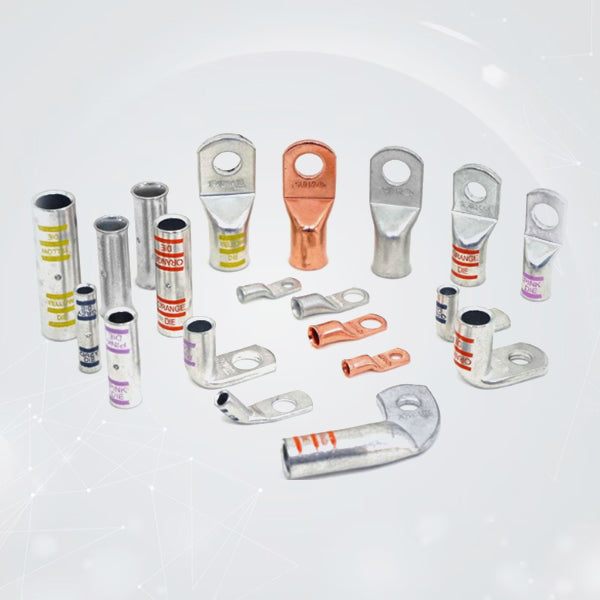


Proper Installation Techniques for 6 AWG Lugs to Prevent Overheating
Overheating in electrical systems rarely starts with the cable. More often, it begins at the connection point. Even when the wire size is correct, poor installation can turn a solid setup into a heat trap. This is why 6 AWG lugs need just as much attention as the cable they terminate. Installed properly, they ensure stable current flow and long-term reliability. Installed poorly, they become a hidden failure point.
This guide walks through practical, field-tested techniques to install 6 AWG lugs the right way and avoid overheating issues down the line.
Why Overheating Happens at Lug Connections
Electrical heat is usually a symptom of resistance. Resistance increases when:
- The lug doesn’t match the cable size
- The crimp is uneven or loose
- The contact surface is dirty or oxidized
- Mechanical stress loosens the joint over time
With 6 AWG wiring, current levels are high enough that even small imperfections at the lug can generate noticeable heat. That heat builds gradually, often going unnoticed until insulation discolors or performance drops.
Choosing the Correct 6 Gauge Wire Lug Before Installation
Match the Cable Size Exactly
A 6 gauge wire lug must match the conductor strands perfectly. Oversized lugs reduce compression. Undersized lugs damage strands and create uneven contact.
Never force a cable into a 6 gauge wire lug or rely on extra crimping pressure to compensate.
Select the Right Stud Hole
Using the correct stud size prevents movement at the terminal. A loose fit allows micro-movement, which increases resistance and heat during operation.
For battery connections, 6 gauge AWG battery lugs with properly sized ring terminals are the safest option.
Check Material Compatibility
Bare copper 6 AWG ring lugs are popular because they carry current efficiently. What matters just as much is matching the lug with the right terminal material. This simple check helps prevent corrosion problems, especially in outdoor systems or applications exposed to movement and vibration.
Preparing the Cable for a Clean Connection
1. Strip the Insulation Correctly
Strip only as much insulation as needed to fully insert the conductor into the barrel. Exposed strands outside the lug increase oxidation risk and can cause short circuits.
Avoid nicking or cutting strands during stripping. Damaged strands reduce current-carrying capacity and create weak spots that heat up under load.
2. Inspect and Clean the Conductor
Before inserting the cable:
- Check for corrosion or discoloration
- Ensure strands are straight and intact
- Remove dirt or residue
A clean conductor ensures full surface contact inside the 6 AWG ring lug barrel.
Proper Crimping Techniques That Prevent Heat Build-Up
Choose the Right Crimping Tool
Pliers or hammer crimps don’t give reliable results for 6 AWG connections. A proper 6 AWG crimping tool applies even pressure and creates a secure fit that won’t loosen over time.
Align the 6 AWG Ring Lug Correctly
Place the 6 gauge wire lug so the crimp sits squarely over the conductor. Crimping too close to the edge leads to uneven pressure and weak contact inside the barrel.
Apply Steady, Firm Pressure
Focus on making one strong crimp instead of several weak ones. A tight crimp holds the wire properly and keeps air away, which helps the connection stay dependable over time.
After crimping, the lug should not rotate or slide when pulled firmly.
Why Heat Shrink and Insulation Matter
Seal the Connection
Heat shrink tubing adds a protective layer that:
- Seals out moisture
- Provides strain relief
- Reduces corrosion risk
For mobile or outdoor systems, this step significantly improves longevity.
Avoid Electrical Tape Alone
Tape can loosen with heat and age. Heat shrink provides consistent insulation that stays in place even when temperatures fluctuate.
Installing the 6 AWG Ring Lug on the Terminal Correctly
1. Clean the Contact Surface
Before bolting the 6 gauge wire lug to a terminal, clean both surfaces. Oxidation or residue increases resistance right where current transfer matters most.
2. Tighten to the Correct Torque
Over-tightening can damage the 6 AWG ring lug. Under-tightening allows movement.
Follow manufacturer torque recommendations to achieve a stable, low-resistance connection.
3. Use Lock Washers When Needed
In vibration-prone environments like vehicles or equipment, lock washers help maintain pressure over time.
Common Installation Mistakes That Cause Overheating
Even experienced installers run into trouble by:
- Using the wrong lug size
- Skipping proper crimp tools
- Leaving strands exposed
- Ignoring torque specifications
- Reusing old or deformed lugs
Each of these shortcuts increases resistance and heat, even if the system works fine at first.
Inspection and Maintenance Best Practices
After installation:
- Check the lug after the first load cycle
- Look for discoloration or warmth
- Retighten if needed
Routine inspections help catch issues early, especially in high-current or continuous-duty systems.
Simple Steps That Make a Real Difference
Preventing overheating comes down to getting the basics right. You don’t need complex fixes just careful work at every stage. Proper cable preparation, accurate crimping, and secure mounting all help keep heat in check. When done well, 6 AWG lugs allow smooth current flow, improve safety, and last longer. Paying attention during installation is one of the easiest ways to protect your electrical setup.
Looking to upgrade or replace your connections? Check out Selterm’s range of 6 AWG ring lugs designed for secure, efficient, and long-lasting performance.