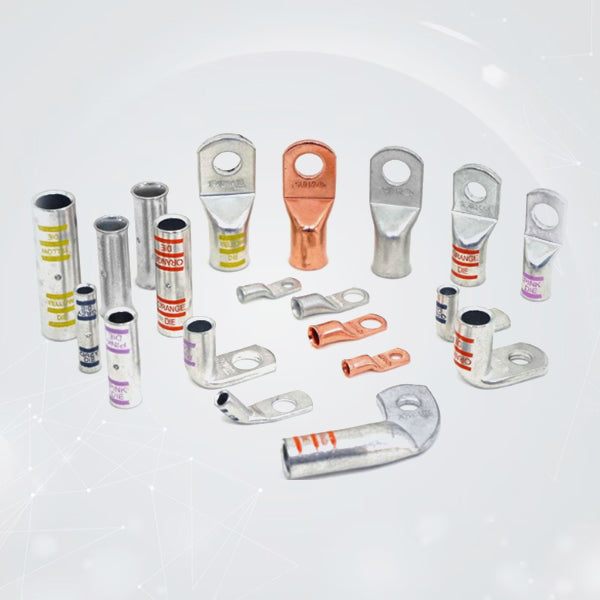


The Benefits of Using High‑Quality Marine Battery Lugs
When you’re on a boat, the electrical system is everything. Starting the engine, running lights, electronics, pumps, navigation, battery charging — all of it depends on a few simple, often overlooked parts. One of them is marine battery lugs which play a critical role.
These are the connectors that link your battery cables to terminals, studs, or bus bars. When they fail, the voltage drops, slow cranks, hot connections & even leading to fires.
That’s why using high‑quality marine battery lugs matters. Not just any copper lug, but properly built, marine‑grade battery cable lugs made for the harsh conditions a boat lives with.
Why Standard Lugs Often Fail at Sea
On land, in a clean, dry garage, standard battery lugs can work fine. But on a boat, the environment is very different like constant moisture, vibration, temperature swings, and tight spaces.
In those conditions, regular copper lugs start having problems:
- Bare copper turns green and corrodes
- Thin lugs can’t handle high starting current
- Poor crimps loosen over time due to vibration
- Low‑quality materials overheat under load
That’s why many boat owners end up with:
- Weak cranks or failed starts
- Greasy, hard‑to‑clean terminals
- Damaged cables
For reliable performance, land‑grade lugs just aren’t enough. The job needs purpose‑built marine battery cable ends lugs.
What Makes a Lug “Marine Grade”?
A marine grade battery lug is not just a regular lug painted silver or labelled “marine.” Real marine grade battery cable lugs are designed and built for the job. Key features include:
- Thick, solid copper construction for high current handling
- Tin‑plated surface to resist corrosion and salt
- Properly sized barrel and stud hole for the cable and terminal
- Heavy‑duty wall thickness for long‑term reliability
- Made from quality copper, not cheap alloys
They’re used to connect:
- Engine cranking cables
- House battery banks
- Shore power connections
- Inverter and charger cables
A good marine lug is not just about corrosion protection. It’s about delivering power, staying tight, and lasting season after season.
Benefits of Using High‑Quality Marine Battery Lugs
Corrosion resistance
Boats live in wet, salty environments. Unprotected copper lugs quickly turn green and greasy. Tin‑plated marine grade battery cable lugs resist corrosion much better.
This means:
- Cleaner terminals over time
- Less need for constant cleaning and re‑crimping
- More reliable connections, even in coastal or offshore use
Stable, reliable power delivery
Boat engines need a lot of current for a short time. A weak lug acts like a resistor. It gets hot, drops voltage, and the engine cranks slowly.
High‑quality marine battery lugs:
- Keep resistance low
- Deliver power efficiently from battery to solenoid and starter
- Help maintain voltage even under heavy cranking loads
Vibration‑resistant connections
Boats are constantly on the move and vibrate which can cause mechanical stress and can loosen poorly made lugs.
Marine grade battery lugs are built to handle vibration.
They:
- Use thick copper and strong barrels
- Accept a proper crimp that stays tight
- Resist loosening over long hours of use
This is especially important for engine cables and high‑current accessories.
Reduced heat and overheating risk
High current + poor connections = heat. On a boat, overheated lugs can melt insulation, damage cables, and even create fire hazards.
Quality marine battery cable ends lugs:
- Use thick copper to handle the current
- Conduct heat away from the joint
- Stay cooler under load, reducing the risk of damage
Longer cable and terminal life
When the lug is durable and properly installed, it protects the cable and terminal.
Good marine battery lugs help:
- Keep terminal studs clean and undamaged
- Prevent cable strands from breaking at the crimp
- Extend the life of the entire battery cable assembly
Where Marine Battery Lugs Are Used on a Boat
Marine grade battery cable lugs appear in several key places on a boat:
Engine Cranking System
- Main battery cables
- Starter and solenoid connections
- Ground connections
House Battery System
- House battery bank interconnects
- Inverter and charger cables
- Large DC loads like pumps and heaters
Shore Power and Charging
- Shore power battery connections
- Alternator cables
- DC distribution panels
Accessories and High‑Power Devices
- High‑power audio
- Electric winches or windlasses
- Lighting and navigation systems
In every one of these, the lug’s quality directly affects reliability, safety, and performance.
How to Choose the Right Marine Grade Battery Lugs
Not all lugs sold as “marine” are equal. To get the real benefits, choose lugs that are:
- Made from solid copper, not cheap alloys
- Tin‑plated for corrosion resistance
- Sized correctly for your cable gauge (8 AWG, 4 AWG, 2/0, etc.)
- Matched to your terminal stud size (1/4", 5/16", 3/8", 1/2")
- Thick enough for the current load (starting vs. continuous)
If you’re using 4 AWG cranking cables, don’t use a lug meant for small 10 AWG signals. Similarly, if the terminal is 1/2 inch, the lug hole must match that size.
For most boat systems:
- Engine cables and high‑current accessories need heavy‑duty marine grade battery cable lugs
- House systems and accessories need good quality marine battery lugs with proper plating and size
Simple Tips for Installing Marine Battery Lugs
Even a good lug fails if it’s not installed right. Basic tips:
- Use the right crimping tool for copper lugs
- Ensure all cable strands are fully inside the barrel
- Apply even pressure for a solid, gas‑tight crimp
- Use heat shrink or proper insulation to protect the crimp
Check connections regularly, especially in high‑vibration areas like engines
A good crimp is tight and mechanically strong. If the lug wiggles on the terminal or the cable can be pulled out, it needs to be redone.
Why Quality Marine Battery Lugs Are Worth the Investment
It’s easy to save a few dollars on cheap lugs. But on a boat, that “cheap” part can cost a lot more in the long run.
Low‑quality lugs lead to:
- Frequent cleaning and re‑crimping
- Poor performance (slow cranks, voltage drops)
- Premature cable and terminal damage
- Risk of overheating and fire
High‑quality marine battery lugs:
- Reduce maintenance and rework
- Keep the system running reliably
- Extend the life of cables and terminals
- Improve safety and peace of mind
For any boat owner, that’s not an expense. It’s an investment in time on the water, safety, and reliability.
Conclusion
Boats don’t tolerate weak electrical connections. Standard, off‑the‑shelf battery lugs may work temporarily, but they struggle in the real marine environment.
Marine grade battery cable lugs are built for the job. They can resist corrosion, handle high current, and stay put under vibration.
If you’re building, upgrading, or repairing a boat electrical system, choosing high‑quality marine battery cable ends lugs is one of the smartest things you can do. Better connections. Better performance. Fewer headaches season after season.