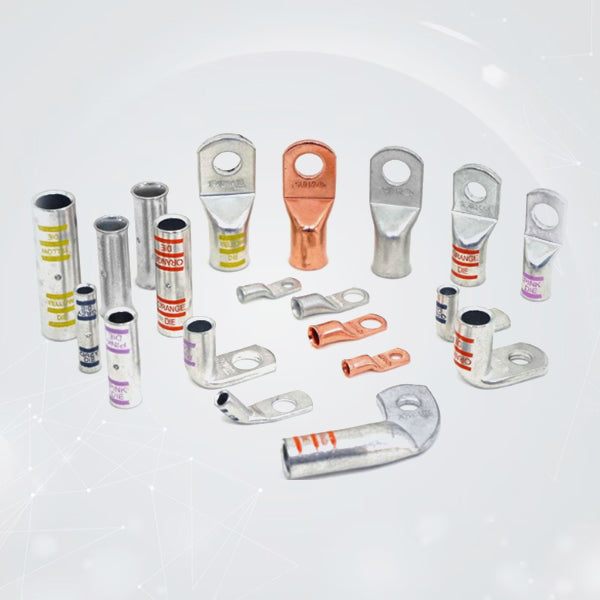


The Best Marine Grade Battery Lugs for Heavy-Duty Saltwater Use
Saltwater environment destroys standard electrical connections. Throw an unplated automotive terminal into a damp bilge or leave it exposed to open ocean air, and the metal fails before the season even gets moving.
Immediate surface damage happens the second raw cable ends face high humidity and salt spray on an open boat deck, a commercial fishing vessel, or a coastal dock setup.
Standard unplated terminals cannot maintain clean power delivery out on open water. The salt is simply too aggressive. High-voltage lines running to bilge pumps, starters, and navigation electronics need an absolute metal bridge that handles full current without dropping voltage or developing internal decay.
That is why using specialized marine grade battery cable lugs is completely non-negotiable for ocean wiring.
A weak or unprotected junction on the water creates a massive safety hazard. Salt crust forms inside open connections, resistance climbs, and voltage drops fast. The joint can quickly become hot enough to melt insulation jackets or spark a fire. When managing heavy electrical loads at sea, premium marine grade heavy-duty lugs serve as the primary defense against total electrical failure when miles away from the shore.
Why Raw Battery Lugs Fail at Sea
Look at the standard electrical connectors found in automotive shops. Plenty of raw, unplated options work perfectly fine on a dry workshop workbench, but they become an absolute liability the second they hit a boat.
Exposing bare metal surfaces to salt air triggers a rapid chemical reaction. Oxygen and moisture mix with saltwater spray to form copper carbonate, commonly known in the yard as green rot. This powdery green crust doesn't just sit on the outside of the pad—it actively creeps deep inside the terminal barrel, rotting the wire strands from the inside out and destroying the connection.
Marine engine rooms and open boat decks are brutal on electrical gear. High vibrations from rough waves mix with pounding water and constant dampness.
Uncoated copper degrades immediately under these conditions. The mechanical contact point between the pad and the busbar oxidizes, driving up electrical resistance. This bottleneck starves critical electronics of voltage and forces the charging system to work twice as hard, leading to dead batteries and failed starter solenoids.
How Tin Plating Protects the Metal
To ensure a marine power network survives for years without constant repairs, the base metal needs a shield. Industrial marine terminals rely on high-purity C11000 electrolytic copper coated with pure tin through an electroplating process.
Tin naturally resists the corrosive effects of acids, moisture, and salt spray. A micro-thin layer of tin completely wraps the copper core, creating an airtight barrier. This plating ensures the underlying copper retains its top-tier conductivity while staying totally isolated from destructive environmental elements.
Choosing high-grade marine grade battery lugs impacts the installation in two critical ways:
- No Galvanic Corrosion: Bare copper touching stainless steel bolts or aluminum hulls in a damp bilge triggers a tiny electrical current between the metals, eating away the weaker material. Tin acts as a neutral buffer, stopping this destructive metal-on-metal reaction completely.
- Preserved Malleability: Pure copper is soft and workable. The electroplated tin layer is equally flexible, meaning the metal deforms perfectly under thousands of pounds of pressure from a crimping tool without cracking, flaking, or peeling away from the base core.
The Danger of Soldering Marine Battery Cable Ends
An old-school dockside repair trick that ruins marine wiring networks is using a propane torch and solder to secure heavy cable connectors. Solder creates a clean-looking joint initially, but professional marine electrical standards ban the process for good reason.
As heat melts the solder into the terminal barrel, capillary action draws the liquid metal straight up the flexible stranded wire past the lug entry. Once cooled, the solder hardens, turning a flexible marine cable into a stiff, solid metal rod.
Boats bash against waves and experience constant hull vibration. All that mechanical stress concentrates directly at the exact spot where the flexible wire insulation meets that rock-hard, soldered section. Over time, individual copper wire strands suffer from metal fatigue and snap clean off right at the back of the terminal barrel.
The industry standard for ocean compliance is a gas-tight mechanical crimp. Forcing the tinned barrel to compress uniformly from six sides cold-welds the wire strands directly to the inner walls, sealing out all air so interior salt rot cannot start.
4 Steps for a Secure Crimp
1. Strip the Insulation Back to Fresh, Clean Metal
Never crimp a terminal over dark, oxidized, or dirty wire strands. If the cable is older or has been sitting in a damp shop, cut the bad sections back until actual bright copper shows up. If the strands still look dull, grab a stainless steel wire brush and scrub them hard. The metal needs to look completely clean before it ever goes inside the barrel.
2. Verify Seating Depth
Strip the wire insulation jacket back to match the exact length of the lug barrel. Push the wire fully into the terminal until the copper strands show through the inspection window. The insulation jacket must sit flush against the back of the barrel entry with a gap under 1/16 of an inch.
3. Deploy the Correct Hex Crimp Tooling
Match the wire gauge size exactly to the right barrel die on the crimping tool. Do not guess or use a random size. Use a quality manual or hydraulic hex tool to crush the barrel completely. Let the tool finish its full mechanical cycle, fusing the strands and the terminal walls into one seamless chunk of copper.
4. Seal Up the Whole Joint with Adhesive Heat Shrink
Slide a piece of heavy-wall, adhesive-lined 3:1 heat shrink tubing directly over the raw metal connection. Use a heat gun on it. Watch for the internal glue to melt and squirt out around the bottom edges of the tubing. That squeezed-out glue is exactly what you want—it creates a permanent, waterproof seal that blocks road salt, pooling rainwater, engine grease, and battery fumes from rotting the copper strands over time.
Real-World Marine Maintenance Protocols
Preventative care is the only thing keeping an offshore electrical system online over the long haul. Every connection point below the deck needs a physical inspection at least once a season. Do not just look at it from a distance. Get in there and check for any lifting around the heat shrink edges or dull graying on the metal surfaces.
Slapping a thin layer of specialized dielectric paste or anti-corrosion spray over the bolted connection creates a great secondary boundary against the air.
If a terminal has to come off for an equipment upgrade, clean the pad faces down to the bright tin layer with a clean rag and some isopropyl alcohol.
- Ditch the sandpaper. Do not touch a tinned terminal pad with a coarse metal file or heavy emery cloth. Scraping the surface destroys that thin protective tin layer instantly. Once the raw copper underneath is exposed, moisture hits it, and rot takes over the whole connection.
- Scrap the worn hardware. If the tin coating looks visibly gouged, flaked off, or shows raw red copper bleeding through the surface, throw it away. Reusing a compromised terminal is a bad idea. Cut the cable back to clean strands and crimp on a fresh piece of hardware instead.
Industrial Hardware Options
An electrical setup fails the moment its weakest connection point gives out. Skimping on basic wire ends leads to sudden power drops under heavy loads, fried components, and hours of brutal diagnostic work down the road.
If you want hardware built for high vibrations and extreme offshore conditions, the parts in the Selterm Marine Collection are designed for those exact environments. These are made from seamless copper tubes with thick, precision-machined flat pads. They take maximum crushing forces from a hydraulic tool without splitting open or cracking down the side.
Upgrading the wiring connections with premium marine battery cable ends lugs eliminates the risk of resistance build-up, sudden voltage drops, and structural metal failures. Integrating high-purity copper metallurgy with a premium finish, professional hexagonal tooling, and a proper adhesive-lined heat shrink seal provides a cool-running, highly efficient power network that runs safely for decades.