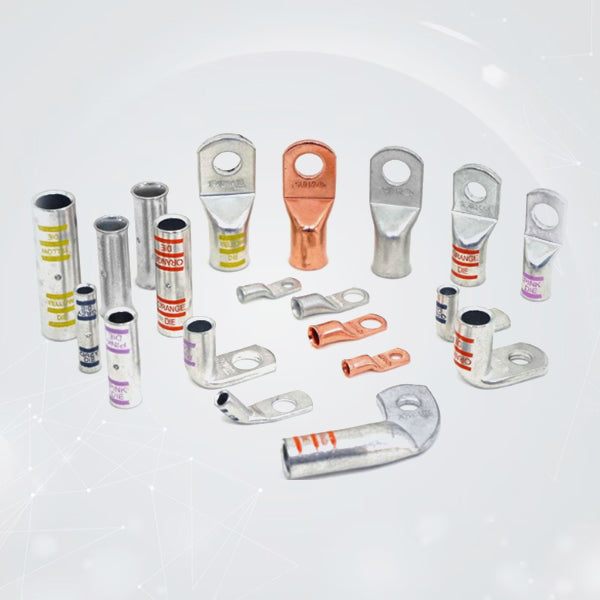


The Essential Guide to 8 AWG Lugs: Current Capacity and Usage
When you’re working with mid-range electrical systems, the small details matter more than most people realize. A secure connection, the right conductor size, and high-quality hardware all play a role in how efficiently current moves through your setup. That’s exactly why so many people rely on the 8 AWG terminal lug in automotive, marine, solar, and DIY setups, it’s flexible, strong, and handles a solid amount of power without fuss.
This guide breaks down what 8 gauge lugs (often called 8 AWG terminal, ring, or cable lugs) do, how much current they can carry, where they shine, and how to pick the right 8 AWG cable lug for your project.
Why 8 Gauge Lugs Matter in Power Distribution
8 AWG wire sits right in the mid-tier range. It’s thick enough to carry solid current without excessive heat buildup, but still easy to work with. The lug you pair with it affects:
- How efficiently current flows
- The overall safety of the connection
- Long-term system reliability
- Resistance to corrosion and vibration
- Heat dissipation under load
Because of this, choosing the wrong lug can compromise the entire setup. A high-quality 8 AWG terminal lug ensures cleaner current flow and dependable performance.
Understanding the Current Capacity of 8 AWG Cable Lugs
One of the first things users ask about is current rating. While exact capacity depends on insulation, material, and temperature, you can use these general estimates:
- Typical load capacity: Around 40–55 amps
- In open-air conditions: Can often support slightly higher loads
- In enclosed environments: Lower due to heat retention
- With continuous loads: Always aim for the lower half of the range
These ratings give you a good starting point, but what matters most is matching your wire, lug, and application.
If you’re powering high-demand devices or you expect continuous current flow, avoid running them at their upper limits. Leaving margin keeps the system safer and extends component life.
Key Advantages of Using Quality 8 AWG Ring Lugs
1. Better Conductivity
Quality 8 AWG cable lugs are typically made from pure copper, providing low resistance, better heat control, and strong current efficiency.
2. Strong Mechanical Grip
A secure crimp ensures the wire won’t slip out even when exposed to vibration, movement, or rough conditions.
3. Reduced Voltage Drop
Voltage drop becomes noticeable in mid-range wiring if the lug isn’t sized or installed correctly. A proper 8 AWG terminal lug helps maintain stable voltage across the load.
4. Long-Term Durability
Bare copper and tinned variations resist corrosion, cracking, and thermal wear better than low-quality alternatives.
5. Versatility Across Systems
8 AWG cable lugs are used in several areas, making them a go-to choice for DIY builders, boat owners, solar users, and auto hobbyists.
Where 8 AWG Cable Lugs Are Commonly Used
Automotive
Great for:
- Auxiliary battery setups
- Light-duty winches
- Audio system wiring
They offer a secure connection without adding bulk.
Marine
The marine environment demands corrosion-resistant hardware. While bare copper works for many cases, tinned options are preferred on boats for their added protection.
Solar
Solar users often rely on 8 gauge lugs for panel interconnections, charge controllers, and mid-range battery systems. They keep voltage stable and reduce loss over longer runs.
RV and Van Conversions
Perfect for:
- Inverter inputs
- Fuse block connections
- Off-grid battery banks
Their moderate size makes installation easier in tight spaces.
Home DIY Electrical Projects
From inverters to backup systems, 8 AWG is often the perfect middle ground between power and manageability.
Bare Copper vs. Tinned: Which Is Better?
Both types are widely available, and the right choice usually depends on your environment.
Bare Copper Lugs
- Best conductivity
- Ideal for automotive and indoor use
- Cost-effective
- Great mechanical strength
Tinned Copper Lugs
- Superior corrosion resistance
- Popular for marine, coastal, or humid locations
- Slightly better longevity in harsh weather
- Offers cleaner crimping surface
If the setup will face moisture, heat cycles, or salt exposure, tinned is the safer choice.
Choosing the Right 8 AWG Terminal Lug for Your Project
Here are a few things to check before buying an 8 AWG cable lug:
Stud Size
Most users go for 5/16" or 1/4", but always match your hardware.
Material
Bare copper for conductivity. Tinned for corrosion resistance.
Type of Lug
- Ring lugs: most secure
- Fork lugs: easier to remove but less locked-in
- Pin lugs: good for tight terminal blocks
Application Load
Heavier loads need the highest-quality copper and a clean crimp.
Crimping Tool Compatibility
Make sure your crimper is compatible with 8 gauge lugs for a tight, reliable connection.
Installation Tips to Maximize Performance
- Strip the wire cleanly without nicking strands.
- Insert it fully into the barrel.
- Use the correct die size for 8 AWG.
- Apply firm, even pressure during crimping.
- Finish with heat shrink for insulation and strain relief.
- Always check for a solid, unmoving connection.
A proper crimp can make or break the entire setup.
Reliable Power Starts with the Right 8 AWG Ring Lugs
8 AWG cable lugs may look small, but they play a major role in how well your system performs. Whether you’re wiring a battery bank, setting up a solar array, or upgrading your marine connections, choosing the right lug ensures safer, cleaner, and more reliable power flow.
If you’re looking for high-quality options built to last, explore Selterm’s range of 8 AWG ring lug and other copper lugs designed for dependable performance across demanding environments.