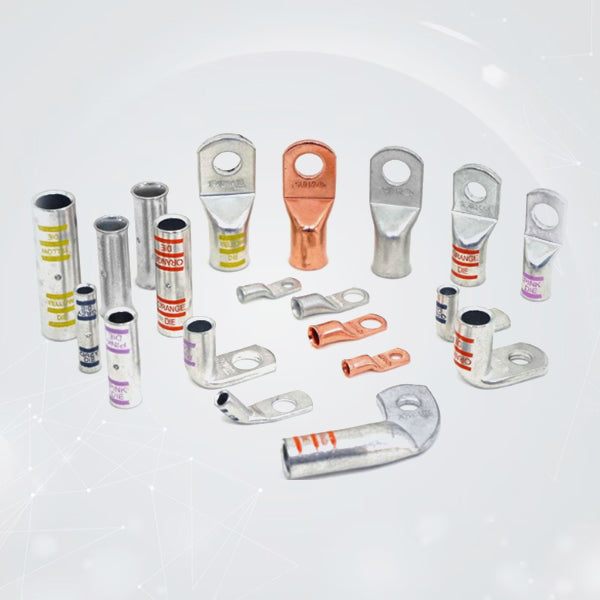


The Ultimate Guide to Choosing the Right 8 AWG Lug
Size matters when routing vehicle power. If you are wiring up a motorcycle starter, running power to a marine amp, or connecting auxiliary circuits on a work truck, choosing the wrong cable terminal can break your system.
The 8 AWG wire size is a common sweet spot. It sits right on the edge where electrical loads transition from standard accessory wiring into heavy-duty current delivery.
Thick copper wire carries the load easily. But the real bottleneck is always the terminal junction block. You cannot just strip an 8-gauge wire and clamp it under a loose screw post or mash it into a flimsy terminal block. You need a solid, high-conductivity bridge to handle that current without dropping voltage.
That is where choosing the right 8 awg lug becomes critical.
If that connection point is weak or thin, expect immediate electrical issues. Your electronics will glitch under load, your batteries will not charge fully, and the joint itself can get hot enough to melt insulation. When dealing with critical power delivery lines, premium 8 gauge battery lugs are the only things preventing an electrical circuit from failing when you need it most.
Why Cheap Parts Store Terminals Fail Under Stress
Walk into a generic auto parts store and look at the bulk bins. You will see plenty of cheap terminals that look shiny and clean on the shelf.
They are a trap.
Most of those unbranded retail terminals are cast from brittle zinc alloys or cheap brass scrap with a paper-thin copper flash plating on the outside. The second you apply real pressure with a professional crimping tool, those cheap alternatives split wide open down the seam or crack along the barrel. Even if they survive the install, their electrical conductivity is terrible compared to pure copper.
The engine bay is a brutal place for weak metal. Temperatures shift from freezing winter air to over 200 degrees Fahrenheit in minutes when the motor is running. This rapid shifting forces different metals to expand and contract at completely different rates.
Thin-walled retail terminals warp under this constant thermal stress. The mechanical grip relaxes, internal resistance shoots up, and the whole joint starts to generate localized heat that burns up wire harnesses.
Purity is the Secret to a Gas-Tight Connection
To make an 8-gauge installation survive for decades without requiring constant troubleshooting, the baseline metallurgy is what matters. Industrial-grade wiring systems rely exclusively on terminations manufactured from seamless C11000 electrolytic copper.
This pure grade of copper provides maximum electrical and thermal performance. Because pure copper is naturally soft and malleable, the metal shapes uniformly when compressed under tons of pressure by a professional crimper.
Instead of cracking, the heavy copper barrel flows directly around the individual wire strands. This action fuses everything into a dense, solid block of copper with zero internal air pockets where moisture or road grime can hide.
Selecting the right finish for your 8 gauge lugs depends on where the wires are actually running:
Bare Copper Finish
This gives you the lowest possible contact resistance right out of the box. It works beautifully for dry truck cabins, trunk-mounted battery relocations, or sealed indoor electrical enclosures behind the dash. A quick dab of conductive paste helps bare copper handle normal interior humidity with zero issues.
Tin-Plated Finish
If your 8-gauge lines run under the chassis, near wheel wells, or inside engine bays where rain and winter road salt spray everywhere, you need tinned copper. A micro-thin layer of tin completely coats the raw copper core, shielding the underlying metal from aggressive chemical corrosion and road slime. This protective plating keeps electrical resistance low for years.
Solder vs. Mechanical Crimping
An old-school garage method that still ruins tons of wiring systems is using a propane torch to solder heavy-gauge battery cables. Solder looks clean and shiny when you first melt it into place, but it is a terrible choice for anything that moves or vibrates.
As you heat up the terminal barrel, capillary action sucks that liquid solder right up past the metal barrel and deep into your flexible stranded wire. Once that solder cools down, it transforms your flexible cable into a rigid, brittle metal rod.
Engines shake constantly, and roads are full of potholes. All that shaking and mechanical stress targets the exact spot where your flexible rubber wire jacket meets that rock-hard soldered section. Over time, the copper wire strands fatigue and snap clean off right at the back of the lug barrel.
The universally accepted standard for industrial compliance is a gas-tight mechanical crimp. Squeezing the lug barrel from six sides simultaneously with a hex crimper cold-welds the wire strands directly to the inner lug walls, forcing out all air so internal oxidation cannot start.
Four Steps to a Fail-Proof 8-Gauge Junction
- Scrub to Bright Metal: Never crimp a new connector onto dark, dirty, or tarnished wire. Cut the bad section of cable back until you find clean copper, or scrub the old strands with a stainless wire brush until they shine like new money.
- Verify Seating Depth: Strip your wire insulation back to match the exact length of the lug barrel. Push the wire fully into the terminal until the copper strands show through the inspection window, keeping the gap between the insulation and the back of the lug under 1/16 of an inch.
- Execute the Crimp: Match your wire gauge size exactly to the right barrel die. Use a quality hex tool to crush the barrel completely, fusing the wire strands and the terminal walls into one seamless chunk of copper.
- Glue it Shut with Heat Shrink: Slide a piece of heavy-wall, adhesive-lined 3:1 heat shrink tubing over the finished joint. When you hit it with a heat gun, the internal glue melts and squirts out the edges, creating a permanent waterproof boot that locks out road salt, water, engine oil, and acid fumes.
Infrastructure Built for the Real World
Your electrical power system is only as reliable as its weakest connection point. Cutting corners on small termination components always costs more later in troubleshooting, dead components, or roadside failures.
The heavy-duty options available in the Selterm 8 AWG Collection are engineered specifically to handle the extreme temperatures and high vibrations found under heavy vehicle hoods. Manufactured from seamless copper tubes with heavy, precision-machined flat pads, these components accept maximum crimping loads without splitting or cracking apart.
Upgrading your wiring connections with premium 8 awg lugs eliminates the risk of resistance build-up, erratic voltage drops, and structural metal failures. Combining high-purity C11000 copper metallurgy with professional hexagonal tooling and a proper adhesive-lined heat shrink seal provides a cool-running, highly efficient power network that runs safely for decades.