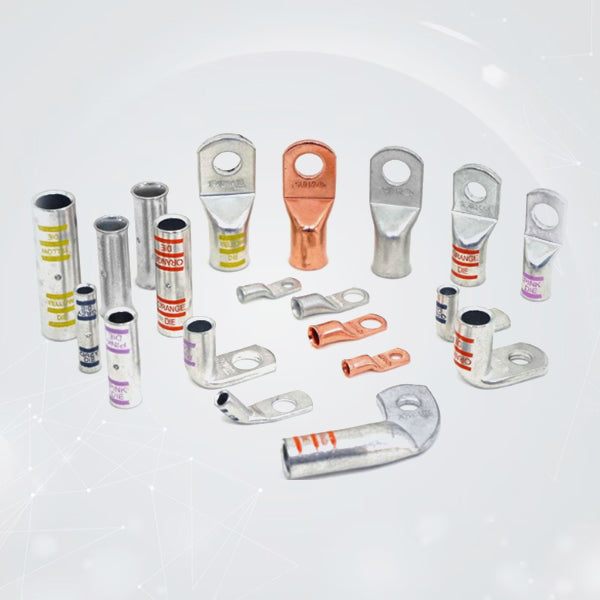


Tinned Copper Lugs: Features, Sizes & Specifications Explained
Upgrading heavy-duty electrical wiring for marine setups, vehicle power networks, or off-grid industrial systems demands hardware that can actually survive harsh environments. Leaving raw, unprotected metal exposed to the elements guarantees a fast drop in system efficiency. High-amperage systems require a connection that won't choke down current or corrode under load. A common industry choice for reliable power transfer under extreme conditions is a high-purity tinned copper lugs configuration. Squeezing a terminal barrel down with standard workshop pliers or beating it with a hammer simply ruins the connection. Your layout needs a gas-tight, seamless metal bond to maintain voltage across your entire circuit without generating dangerous localized heat.
Understanding the underlying metallurgy and exact engineering specifications prevents sudden system failure. Selecting the wrong grade of terminal hardware introduces immediate structural vulnerabilities into your electrical framework. Internal resistance spikes, voltage delivery drops, and the wire joint can easily overheat inside tight spaces. When routing thick power lines through damp bilges, open vehicle chassis rails, or high-humidity utility areas, utilizing premium components is the single best way to protect your electrical system from environmental rot. High-current systems need thick-walled, highly conductive interfaces that can successfully handle continuous electrical loads without causing a drop in line voltage.
Degradation Risks of Low-Grade Aftermarket Hardware
Look at the generic, unbranded connectors sitting in discount retail bulk bins. Most of those cheap options are stamped out of thin sheet metal or cast from low-grade brass blends with nothing but a flash cosmetic plating on the outside. They easily tear or split under actual installation pressure. The second you hit those cheap barrels with a professional crimping tool, they split wide open along the seam or crack straight across the mounting pad. Even if they survive the initial installation without fracturing, their actual electrical conductivity is poor compared to pure copper, creating a massive current bottleneck before your accessories even turn on. Choosing a low-quality cable lug tinned copper imitation increases your overall resistance values significantly.
Vehicle frame rails, engine bays, and damp equipment rooms are brutal on metal hardware. Temperatures swing wildly, forcing mismatched metals to expand and contract at completely different rates. Thin retail terminals warp under this constant physical stress, relaxing their mechanical grip on the wire strands and creating major arc flash hazards under load. Over months of exposure, continuous vibrations loosen the connection further, adding to the degradation of power quality. This mechanical loosening generates localized heat spikes that can quickly melt down insulation covers or damage surrounding digital modules.
Electrochemical Plating Barriers and Substrate Isolation
Long-term structural reliability relies entirely on the quality of the underlying substrate. High-load networks demand connections built from seamless C11000 electrolytic copper. This pure grade provides the highest possible electrical and thermal performance. Because pure copper is naturally soft and workable, it deforms uniformly under heavy tool pressure. A seamless tinned copper cable lug barrel flows completely around the flexible wire strands instead of splitting open down a weak side seam. This uniform compression fuses the wire and the connector into one solid block of copper with zero hidden air pockets inside.
However, raw, bare copper oxidizes quickly when exposed to battery fumes, road salt, or high humidity, forming a non-conductive green crust. An electroplated tin finish stops that atmospheric rot before it starts. Tin completely ignores moisture, salt spray, and acidic environments. A micro-thin layer of tin wraps the raw copper core to create an airtight seal. This plating keeps the underlying copper fully isolated so your high-current links maintain their raw current-carrying capacity for years without corroding. The electrochemical plating process applies a metallurgical defense layer that bonds with the copper structure, preventing it from flaking or peeling under extreme operational temperatures.
Heat Fatigue and Mechanical Stress Failures
An old workshop repair trick that consistently ruins heavy vehicle cables is using a propane torch and liquid solder to secure heavy cable connectors. Solder looks clean at first, but professional automotive and marine electrical standards ban the process for high-vibration applications. As heat melts the solder into the terminal barrel, capillary action draws the liquid metal straight up the flexible stranded wire past the lug entry. Once cooled, the solder hardens, turning a flexible power cable into a stiff, solid metal rod.
Engines shake, heavy machinery vibrates, and boats pound against waves constantly. All that mechanical stress concentrates directly at the exact spot where the flexible wire insulation meets that rock-hard, soldered section. Over time, individual copper wire strands suffer from intense metal fatigue and snap clean off right at the back of the terminal barrel. The modern standard for a reliable circuit is a gas-tight mechanical crimp. Forcing the barrel to compress uniformly from six sides cold-welds the wire strands directly to the inner walls, sealing out all air so interior salt rot cannot start.
Clearance Configurations and Geometric Metrics
Choosing the right pad hole diameter and barrel depth prevents loose connections and maximizes current transfer. Industrial alternators, battery terminals, and chassis grounding points use various bolt dimensions. Guessing the size usually results in a sloppy fit or a terminal that won't slide over the stud. Match your wire gauge exactly: Never try to force a thick cable into a smaller barrel or pad a loose barrel with extra wire strands. The internal diameter must match your gauge (from small 8 AWG up to massive 250 MCM) for a true cold-weld. For offshore vessels, outfitting your battery banks with heavy-wall Marine Battery Lugs built to exact clearance metrics stops terminal shifting and ensures full metal-on-metal current transfer.
Verify the clearance zone before beginning assembly. Ensure the flat mounting pad fits completely flush against your busbar or battery terminal without hanging over the edge or rubbing against surrounding hardware components. Inspect the window: High-quality tinned connectors feature an integrated inspection hole. This gap allows you to visually confirm that the bare copper strands are shoved all the way to the back of the barrel before you cycle the crimping tool. Proper orientation and clean spatial sizing keep high-current pathways stable, preventing structural contact points from overlapping with nearby chassis brackets or auxiliary wiring layouts.
Cold-Weld Execution and Moisture Barrier Deployment
- Strip to Clean, Bright Metal: Do not ever crimp over dark, corroded, or greasy wire strands. If the cable is older or has been sitting around a damp shop, chop the bad ends off until you hit clean, bright metal. If it still looks a little dull, scrub the strands aggressively with a stainless steel wire brush. You want that copper shining before it goes anywhere near the barrel.
- Verify Your Insertion Depth: Slide the wire jacket back to match the depth of the lug barrel. Shove the wire all the way in until copper strands pack tightly against the inspection window. The leftover insulation jacket needs to sit flush against the back of the barrel—keep any gap under a sixteenth of an inch.
- Cycle the Hex Tool Completely: Match your wire gauge exactly to the die on your crimping tool. No guessing here. Use a solid manual or hydraulic hex tool to crush the barrel completely. Let the tool go through its full mechanical cycle so it cold-welds the strands and terminal walls into a single, solid chunk of copper.
- Apply Adhesive-Lined Heat Shrink: Slide a piece of heavy-wall, 3:1 adhesive-lined heat shrink tubing directly over the raw metal connection and hit it with a heat gun. Watch for the internal glue to melt and squirt out around the bottom edges of the tubing. That squeezed-out glue is your proof—it creates a permanent, waterproof seal that stops moisture from rotting your wires over time.
Terminal Integrity Audits and Interface Care
Preventative care keeps an electrical grid online over the long haul. Give every connection point a physical check once a season. Do not just glance at it from a distance. Get your hands on the cables and wiggle them. Check for lifting around the heat shrink edges or a dull, graying look on the metal surfaces. Wiping a little specialized dielectric paste or anti-corrosion spray over the bolted joint creates a solid backup boundary against the air.
If you have to pull a terminal off for an equipment upgrade, clean the pad faces right down to the bright tin layer with a clean rag and some isopropyl alcohol. Ditch the sandpaper. Never touch a tinned pad with a coarse file or heavy emery cloth. Aggressive scratching scrapes that thin protective tin layer right off the metal, exposing raw copper and inviting instant green rot. Scrap the worn hardware. If the tin looks visibly gouged, flaked off, or shows red copper bleeding through, throw it in the scrap bin. Do not reuse it. Just cut the wire back to fresh strands and crimp a clean one into place.
High-Conductivity Optimization for Distribution Networks
An electrical setup fails the moment its weakest connection point gives out. Skimping on basic wire ends leads to sudden power drops under heavy loads, fried components, and hours of miserable diagnostic work down the road. If you need hardware built to survive extreme temperatures, high humidity, and constant chassis vibrations, upgrading to premium tinned copper lugs manufactured for those exact conditions is a structural necessity.
Upgrading your secondary electrical systems with premium tinned hardware eliminates the risk of resistance build-up, sudden voltage drops, and structural metal failures. The choices available in the Selterm Tinned Copper Collection are stamped from seamless pure copper tubes with thick, precision-machined flat pads. They take maximum crushing forces from a hydraulic tool without splitting open or cracking down the side. Integrating high-purity copper metallurgy with premium plating, professional hexagonal tooling, and a proper adhesive heat shrink seal gives you a cool-running, highly efficient power network that stays safe for decades.