

Top 5 Reasons Your Battery Lugs Are Corriding and How to Prevent It
Ever walk through a diesel shop or a local auto graveyard? Half the trucks parked out there share a single, annoying issue. There is a thick, chalky blue-green crust creeping all over the battery connections. Most guys just scrape that powder off with a wire brush, crank the terminal bolts down tight, and hit the road thinking they solved something.
It does not fix a single thing.
By the time that colorful crust shows up on the outside of a connector, the real damage is done. The chemical reaction has already crawled up inside the rubber insulation jacket. It quietly eats away at the tiny copper wire strands from the inside out.
Slow morning cranks, glitching dash electronics, and sudden electrical failures are right around the corner. When you run heavy work rigs or high-draw commercial gear, rugged battery cable lugs are the absolute last line of defense. They are the only things stopping a high-amperage circuit from overheating and melting down your entire wiring harness. To kill this rot permanently, you have to look at what actually triggers the chemical meltdown under your hood.
1. Battery Acid Vents Right Onto the Metal
Standard lead-acid vehicle batteries are essentially enclosed chemical processing plants. Every single minute your engine runs, the alternator forces high current back into the battery cells to keep things topped off. This continuous charging loops back and makes the internal electrolyte fluid get incredibly hot. It actively boils a volatile mix of sulfuric acid and water.
That intense heat forces hydrogen and sulfuric acid vapor to spray out of the tiny plastic relief vents on the battery case. This vapor destroys metal. Since your electrical connections sit right next to those vents, that acidic fog drops straight onto the metal surfaces every single time you drive the truck.
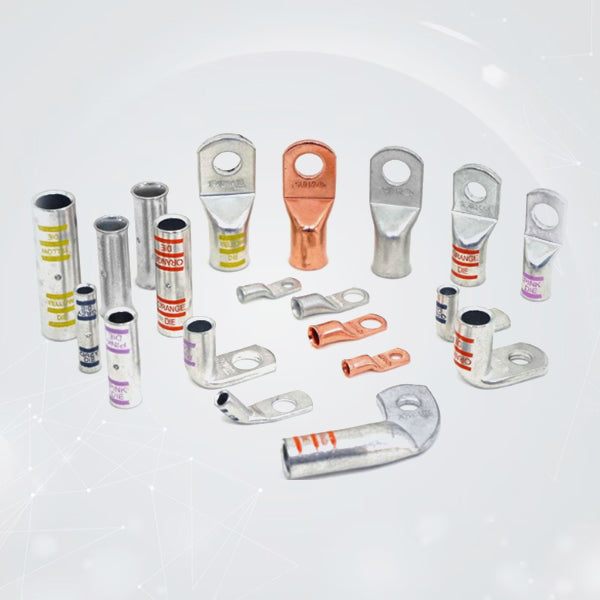
Cheap, thin-walled parts bin terminals simply cannot survive that acid wash. The caustic fumes eat through thin surface plating in a heartbeat, exposing the soft base metal underneath and starting a heavy oxidation cycle. You need to run thick Battery Terminal Lugs built from high-purity copper. The pure material mass of a heavy-wall barrel blocks chemical etching. It keeps the metal from thinning out and snapping when your truck hits hard bumps on the job site.
2. Rain and Road Salt Pool Inside the Connection
Trucks do not live in clean, dry rooms. Your engine bay takes a constant beating from driving rain, winter road salt spray, muddy construction sites, and humid air.
The exact second water splashes onto an unprotected electrical junction, a countdown starts. Raw copper reacts to oxygen and moisture by generating a dull, dark surface crust. This crust does not conduct electricity. It behaves exactly like a thin sheet of plastic insulation jammed right into the center of your power connection.
Once road moisture slithers inside the barrel of a wire terminal, your starter motor or power inverter starts starving. Your rig has to pull way more amperage just to push power across that dirty, high-resistance gap. That bottleneck creates massive physical heat under a load.
Running premium heavy duty wire lugs machined from seamless copper tubes ensures there are no splits, welds, or open seams along the barrel for water to hide in. Getting rid of those tiny manufacturing seams keeps moisture out so the metal stays solid through years of messy winter driving.
3. Mismatched Metals Destroy Each Other
Mixing the wrong metals together under a hood will ruin your electrical system faster than almost anything else. The technical name for this is galvanic corrosion. It happens whenever two completely different types of metal touch each other while soaked in moisture or acidic fumes.
The electrical current running through the joint speeds up the destruction like crazy. One metal acts like a sacrificial lamb, dissolving into green dust while the other metal stays relatively clean.
Look at the cheap, unbranded terminals in bulk parts bins. Most are cast from brittle zinc alloys or cheap brass scrap with a paper-thin copper flash plating. Bolting one of those cheap brass connectors onto a soft lead battery post, or crimping it onto a high-quality copper power cable, creates a perfect storm for metal rot.
You prevent this on a work rig by using solid bare copper lugs built from pure C11000 electrolytic copper. Matching your pure copper cable strands directly to a high-purity copper terminal block keeps the joint chemically stable. It puts a stop to the rapid metal rot that leaves you stranded on the side of the highway.
4. Crushing Terminals with Hammers and Vises
Rot regularly starts deep inside the wire barrel because of bad installation tools.
Plenty of guys try to crimp heavy battery wires using a framing hammer and a cold chisel, a pair of locking vise grips, or a standard bench vise. Those makeshift tricks smash the outside of the metal barrel into a weird, flattened shape, but they do not apply even, tight pressure to the wire strands trapped inside.
If you do not use thousands of pounds of concentrated force, the copper strands inside the barrel stay loose. This leaves large internal air pockets trapped inside the connector.
Oxygen, humidity, and acid fumes slide right into the back of that unsealed barrel, rotting your copper wires from the inside out. A real installation requires a dedicated hydraulic hex crimper. The immense pressure forces the round copper barrel to crush down from six sides at once, cold-welding the wire strands into a solid metal block so moisture cannot find an open pocket to hide in.
5. Solder Wicks Up the Wire and Breaks It
An old-school garage trick that still ruins tons of truck wiring is using a propane torch to solder heavy battery cables. Solder looks clean and shiny when you first melt it into place, but it is a terrible choice for anything that vibrates.
As you heat up the terminal barrel, capillary action sucks that liquid solder right up past the metal barrel and deep into your flexible stranded wire. Once that solder cools down, it transforms your flexible cable into a rigid, brittle metal rod.
Engines shake constantly, and roads are full of potholes. All that shaking and mechanical stress targets the exact spot where your flexible rubber wire jacket meets that new, rock-hard soldered section. Over time, the copper wire strands fatigue and snap clean off right at the back of the lug barrel.
On top of that, standard electrical flux is naturally acidic. If you don't clean every bit of residue out of the cable, that trapped acid eats the copper wire away from the inside, causing a massive electrical failure down the road.
The Field Fix Process
Fixing this issue means moving away from temporary aerosol sprays and using a strict, repeatable prep sequence instead.
Cut the heavy power cable perfectly straight using dedicated shears. If the exposed copper wire strands look dull or dark on older wire, scrub them with a stainless wire brush until they shine like new money before inserting them into the barrel. Never crimp over tarnished wire.
Strip the insulation jacket back to match the exact length of the lug barrel. Push the wire fully into the terminal until the strands show through the inspection window, keeping the wire insulation flush against the back of the barrel entry. Use a heavy-duty hydraulic tool to execute a complete hex crimp cycle, fusing the strands and the barrel into a single block of copper.
Wipe a thin layer of conductive electrical grease onto the flat terminal pad before bolting it down to a battery post or fuse block. This grease seals up microscopic air gaps between the flat metal surfaces, locking out acid vapor while keeping your power connection clean.
Finally, slide a piece of heavy-wall, adhesive-lined 3:1 heat shrink tubing over the finished joint. When you hit it with a heat gun, the internal glue melts and squirts out the edges, creating a permanent waterproof boot that locks out road salt, water, engine oil, and acid fumes.
Built to Last
Your electrical system is only as good as its weakest connection. Spending big money on heavy-duty batteries and thick cables means nothing if you run thin, cheap connectors that rot out after one rough winter.
The heavy-walled options across the Selterm Catalog are engineered to take the heat, vibration, and chemical abuse that happens under a real hood. Machined from seamless copper tubes with flat, heavy pads, these connectors take full hydraulic crimping force without cracking or splitting apart.
Upgrading your connectors through the Selterm Bare Copper Collection stops voltage drops, slow starting, and corroded metal failures. Pairing pure copper metallurgy with a tight hex crimp and glue-lined heat shrink gives you a cool-running, bulletproof electrical system that starts every single time you turn the key.