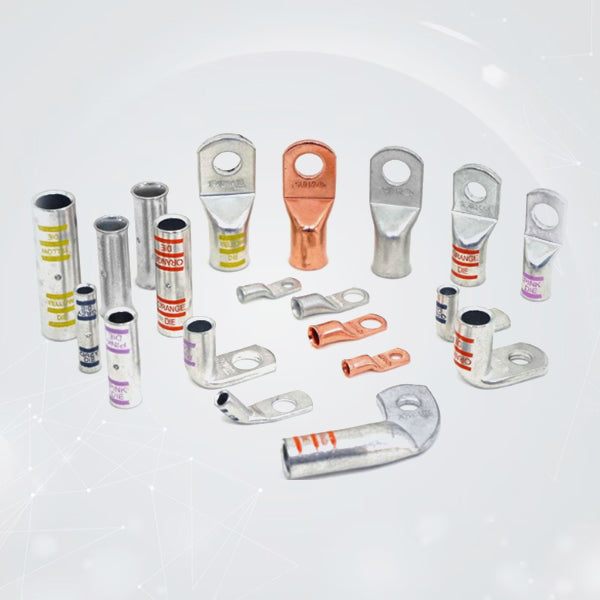


Top Reasons to Choose a 90 Degree Battery Terminal for Your Setup
Tight spaces challenge every power system build. Dual-battery setups in modern trucks or compact marine lockers prove this point. Thick 2/0 gauge cable feels as flexible as rebar. Forcing a straight lug to bend toward the battery box exit applies huge leverage on the terminal.
A battery terminal 90 degree setup changes everything. It goes beyond neat looks, though that helps. It removes mechanical stress from costly batteries. Reliable power lasts longer with the right choice.
1. Eliminate Mechanical Tension on Your Battery Posts
Spring-back tension poses the biggest hidden risk in DIY systems. A straight lug forced into a tight 90-degree turn fights to straighten. This creates constant prying on the battery post.
Modern batteries, especially lithium LiFePO4 units, connect terminals to internal bus bars and PCBs. Pr ying plus vehicle vibration cracks cases or loosens connections over time.
90 degree battery lugs solve this. The bend lives in the copper. Cables sit relaxed with zero pull on the post. Tight connections endure without battery damage.
For instance, in a truck bed solar bank, straight lugs stress posts during bumps. Battery terminal 90 degree lugs keep everything stable.
2. Master the Art of Compact Cable Routing
Power demands grow while space shrinks. Solar controllers, DC-DC chargers, and inverters crowd electrical closets.
A 90 degree battery terminal adapter hugs corners perfectly. Cables drop sideways or down instantly. No three-inch air loops waste space.
Low-Profile Boxes
Standard plastic boxes have snug lids. Straight lugs poke too high. Lids stay open or get cut. Both invite shorts. 90 degree battery lugs lower the profile. Lids snap shut securely.
Recessed Terminals
Inverters and chargers hide terminals behind shrouds. Straight lugs kink high-strand cables. Battery terminal 90 degree designs exit smoothly without strain.
Short runs cut resistance too. Voltage drop shrinks on 1/0 feeds to winches or microwaves.
3. Boost Resistance to Vibration and Fatigue
Boats and off-road rigs shake constantly. Tense cables amplify vibes at connections. Copper strands snap where they meet the lug barrel. Hot spots form from fatigue.
90 degree battery cable ends remove starting stress. Cables flex with motion instead of fighting it. Micro-fractures stay rare. Failures drop in remote spots.
Marine installs show this clearly. Tinned 90 degree battery lugs endure waves without strand breaks.
4. Achieve Professional-Grade Heat Management
Connections resist current flow. Cheap thin lugs at odd angles worsen this. Heat builds fast.
Factory-formed 90 degree battery terminals use C11000 electrolytic copper. Full wall thickness holds through bends. No bottlenecks slow amps. Paths stay wide and cool under winch pulls or heavy loads.
Thick barrels dissipate I²R losses better. Systems run efficient without meltdown risks.
5. Gain Visual Clarity and Easy Maintenance
Clean installs stay safe. Neat 90 degree battery lugs follow tray lines. Spot loose nuts or rubs fast. No tangled bird's nests hide issues.
Routine checks take seconds. Problems get fixed before failure.
Bare vs. Tinned: Pick the Right 90 Degree Battery Lugs
Bare Copper
Best for dry vans or home closets. Peak conductivity shines in controlled air.
Tinned Copper
Essential for boats, outdoors, or engine bays. Tin stops green oxidation. Connections perform like new after five years.
Match to your world. Tinned shines where moisture lurks.
Installation Tips for Bulletproof Connections
90 degree battery terminal adapter need planning. Crimped heavy cable twists little. Pros follow these steps.
The "Dry Fit" Strategy
Slide cable into the lug. Place on the stud. Rotate the battery terminal 90 degree lug until the bend aligns. Mark cable and barrel with a Sharpie. Crimp matching marks for spot-on routing.
Choose the Right Crimper
Bends make hammer crimpers awkward. Hydraulic hex models grip steady. Dies close evenly for gas-tight cold-welds. Strands fuse solid.
Never Skip Heat Shrink
Proximity to trays demands insulation. 3:1 adhesive-lined tubing seals moisture out. Glue fills gaps. Strain relief toughens the assembly.
Torque with Care
Relaxed 90 degree battery lugs sit flat. Use spec torque, like 12-15 ft-lbs. Overtightening strips threads or flattens pads. Contact suffers.
Real tip: In RV dual banks, dry-fit prevents rework. Marked 2 AWG 90 degree battery lugs route perfectly to the isolator.
Advanced Applications and Sizing Guide
Off-Road and Winches
1/0 or 2/0 90 degree battery cable ends handle surges. They route under frames without post stress.
Solar Stacks
Vertical batteries link clean with battery terminal 90 degree lugs. Short bridges feed inverters efficiently.
Marine Power
Tinned M8 or M10 stud sizes fit starter posts. Low profiles clear cowls.
Size chart reminder: Match barrel to wire. 4 AWG takes 1/4" ID. 4/0 needs 5/8". Stud holes from 5/16" to 3/8".
Common Mistakes to Avoid
Rookies over-crimp bends, thinning copper. Pros use matched dies. Skipping dry-fits twists post-crimp. Always mark first.
Heat shrink without glue lets water wick. Adhesive versions seal fully.
The Bottom Line
Weak connections doom battery systems. Straight lugs forced into fits risk safety.
Upgrade to a 90 degree battery terminal. Cleaner routes, better heat control, and secure posts follow. Marine centers or truck hoods benefit alike.
Quick Wins Checklist:
- Dry-fit and mark every lug.
- Hex crimp for even seals.
- Adhesive shrink seals tight.
- Torque precisely, no guesswork.