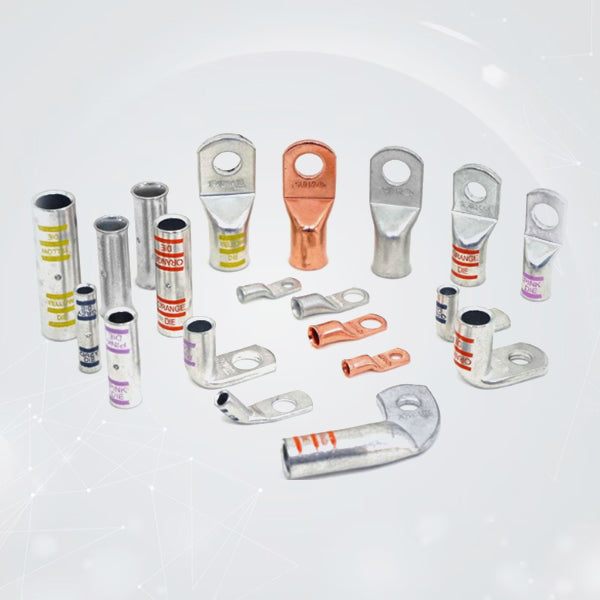


Using Copper Lugs in Renewable Energy Systems (Solar, Wind)
Solar panels and wind turbines look great from a distance, but the actual work happens down in the mud, rain, and intense summer heat. Buying the most expensive panels or high-tech turbines on the market means nothing if the wire junctions are weak. The entire job comes down to basic physics: moving massive electrical current from a roof or a windy hillside straight to inverters and heavy battery storage banks without losing power along the way.
Thick cables carry that heavy load. But the transfer point is where systems fail.
You cannot just strip a giant, stranded power cable and loop it loosely around a terminal post. A dead-flat, high-conductivity bridge is required to handle that massive power transfer cleanly. That means utilizing heavy-duty copper lugs. If an outdoor connection point develops even minor electrical resistance, the system stops harvesting clean energy and starts generating dangerous local heat inside the enclosure.
What Field Exposure Actually Does to a Connection
Outdoor power setups face a brutal combination of physical and chemical punishment that never happens inside a climate-controlled building.
Take continuous high-amperage loads. Standard factory machinery cycles on and off, giving wires a chance to cool down. Solar arrays do not do that. Under a baking noon sun, the panels pump maximum current through the circuits for hours on end, creating relentless thermal pressure. If a terminal barrel has thin walls or uses cheap brass alloys, the joint gets hot, the metal expands, the mechanical crimp goes loose, and the connection burns out.
Weather shifts make this worse. Solar racks bake in the summer heat and freeze overnight. These rapid temperature shifts force different metals to expand and shrink at completely different rates, pulling at every mechanical joint.
Wind turbines add intense, non-stop structural vibration. As the massive blades spin and the nacelle moves to track the wind, the whole structure shakes. Without heavy-wall terminals that can handle a high-pressure cold weld, individual wire strands inside the barrel fatigue and snap.
Then there is moisture. Rain, humidity, and morning dew always find a way inside outdoor enclosures. When water settles on raw copper, it triggers rapid oxidation, creating a dull layer of green crust inside the connection barrel. That crust acts like an insulator, dropping your system efficiency and ruining your daily energy yield.
Grounding is About Keeping the Job Site Safe
Managing the power path is only half the battle when installing solar panels. You also have to protect the setup from lightning strikes and static surges.
Because solar panels sit high up on metal racking systems, they turn into prime targets for lightning. A static surge or an insulation breakdown can instantly energize the entire aluminum frame array. If that happens, it creates a massive shock hazard for maintenance crews and a severe fire risk for the building.
Every single panel frame and mounting rail must be tied directly to the earth. Installers use a dedicated solar grounding lug to bite through the anodized coating of the aluminum racking to create a true metal-to-metal connection.
If a wire chafes or lightning strikes, the dangerous energy has an immediate, low-resistance path straight to the ground rod. Using uncertified, flimsy solar panel grounding lugs violates national safety codes and leaves the whole system vulnerable to a catastrophic surge.
Metallurgy Decisions for Long-Term Survival
To make an outdoor installation run safely for decades without constant maintenance calls, the baseline metallurgy matters. Cheap terminals found in bulk bins look fine on the shelf but are often cast from low-grade alloys with a paper-thin copper coating. These cheap options split wide open under heavy crimping loads and offer poor conductivity.
Industrial-grade systems rely on terminations made from seamless C11000 electrolytic copper. This grade provides maximum electrical and thermal performance. Because pure copper is naturally soft and malleable, it deforms uniformly under tons of pressure from a hydraulic tool, flowing directly around the wire strands to create an air-tight metal block with no internal gaps.
The location of the wiring run dictates the finish you need.
Bare copper options give you the lowest possible contact resistance right out of the box. They are highly effective for dry indoor combiner boxes, sealed main inverter housings, and indoor battery enclosure cabinets.
For exposed outdoor arrays, ground-mount tracker systems, or coastal wind setups, you must use heavy-duty solar wire lugs with a uniform tin plating. The micro-thin tin layer protects the underlying copper core from the elements. This prevents the green rot from destroying the connection and keeps your long-term electrical resistance consistently low.
The Field Crimp Process
Never use makeshift tools or traditional solder on primary renewable power lines. Solder wicks up the flexible wire strands, turning a pliable cable into a solid, rigid rod. Under the constant structural vibration of a wind turbine or the wind-loading movement of a solar rack, that rigid section snaps easily right at the back of the barrel.
The proven field standard is a gas-tight hexagonal crimp. Using a manual or hydraulic hex crimper compresses the lug barrel from six sides simultaneously. The extreme pressure cold-welds the wire strands directly to the inner walls, forcing out all air. Without oxygen or moisture inside the barrel, internal corrosion cannot start, and the physical joint remains completely stable under heavy continuous loads.
To make sure an outdoor connection survives the elements, follow a strict prep sequence.
First, cut the heavy power cable perfectly straight using dedicated shears. If the strands look dull on older wire, scuff them thoroughly with a wire brush until the copper shines. Next, strip the insulation back to match the exact length of the lug barrel. Push the wire fully into the terminal until the strands show clearly through the inspection window, ensuring the wire insulation sits tight against the back of the barrel. Match the crimping die precisely to the wire gauge and compress the barrel firmly. Let the hydraulic tool complete its full cycle to achieve a complete, void-free bond.
Finally, slide a section of heavy-wall, adhesive-lined heat shrink tubing over the finished joint. Applying heat melts the internal glue, creating a permanent, waterproof barrier that seals the wire jacket to the lug barrel and blocks out driving rain, dust, and humidity.
Keeping the Energy Flowing
A renewable energy infrastructure project is a major investment meant to deliver clean power for twenty or thirty years. Cutting corners on small termination components always costs more later in truck rolls, lost generation time, and component failures.
The heavy-duty options available in the Selterm Solar Collection are engineered specifically to handle the extreme outdoor conditions of wind and solar sites. Manufactured from seamless copper tubes with heavy, precision-machined flat pads, these components take maximum hydraulic crimping pressures without splitting or distorting.
Combining high-purity copper, proper environmental plating, and a gas-tight hex crimp eliminates the risk of resistance build-up, voltage drops, and overheating. You get a cool-running, highly efficient power network that keeps your clean energy flowing safely from the panels straight to the grid.