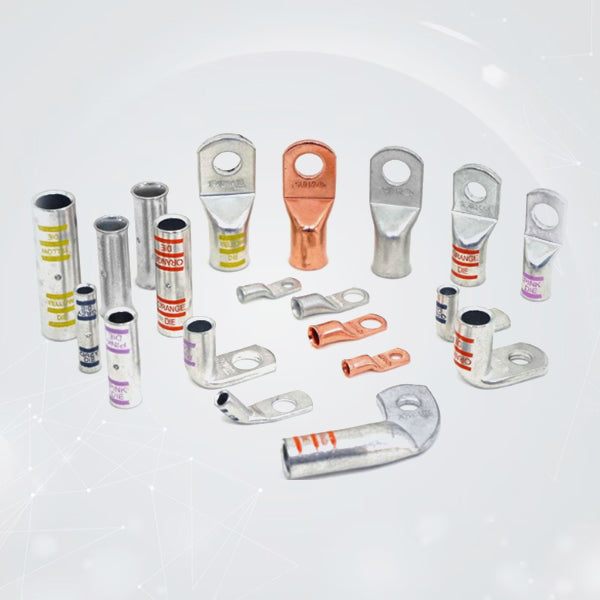


Applications of Copper Lugs in the Automotive Industry
Vehicles are basically rolling electrical grids now. Think about the massive current running under a modern hood. High-output alternators, starter motors, dual-battery systems for gear, and high-voltage EV batteries, all demand heavy power.
Cables carry the load, but the real bottleneck is always the terminal connection. You can't just shove a loose, stranded wire onto a flat battery post or a starter stud. You need a solid bridge to handle that transfer cleanly.
That is where a heavy-duty connector matters.
If your terminal choice is weak, expect voltage drops, dead batteries, and melted wiring harnesses. Under a hood, heavy-duty copper wire lugs are the only things keeping high-current circuits from shaking loose or turning into literal heating elements under load.
What Actually Destroys Connections Under a Hood
An engine bay is a nightmare for electrical joints. It faces constant physical and chemical abuse. If you install standard electrical hardware here, the environment will destroy it fast.
High Heat Cycles
Engine compartments spike from freezing winter temperatures to over 200 degrees Fahrenheit in minutes. This constant shifting forces different metals to expand and shrink at completely different rates. Thin-walled terminals or cheap brass alloys warp under this stress. The mechanical grip fails, resistance shoots up, and the whole joint starts to melt.
Non-Stop Shaking
Vehicles shake, rattle, and take hard impacts from the road. All that mechanical stress concentrates right where the flexible power cable meets the rigid metal barrel of the terminal. Without thick copper terminal lugs that can sustain a high-pressure cold weld, the individual copper wire strands fatigue, crack, and snap off one by one, killing your conductivity.
Chemical Attacks
Moisture, road salt, engine oil, battery acid, and cleaning degreasers always find a way inside an engine bay. Raw copper reacts by developing a green or black layer of oxidation. This acts like a thin layer of insulation. Once it seeps into the barrel, resistance spikes, voltage drops, and critical gear like winches or starters are deprived of power.
Where Heavy-Duty Gear is Mandatory
Standard automotive terminals cannot sustain high-amperage demands. Specific areas within a vehicle chassis require rugged, industrial-grade hardware.
Starter Motors and Alternators
Starters pull more current than any other component in a car, demanding hundreds of amps in a single burst to crank the engine. At the same time, high-output alternators continuously force 100 to 250 amps back through the grid to run electronics and maintain battery charges. Poor connections on either line create immediate voltage drops. You get slow cranking, clicking starter solenoids, and a battery that never fully charges. Heavy-duty copper wire lugs ensure all that energy moves into the electrical system instead of being wasted as localized heat.
Recovery Winches and Dual Batteries
Take a look at an off-road truck or a heavy work rig. Most of them run dual batteries just to handle extra gear like high-draw fridges, camp lighting, and recovery winches.
When a heavy winch has to drag a stuck truck up a steep, muddy incline, that motor can easily pull over 400 amps. That is a massive amount of electrical current flowing through one circuit.
If the connections on those power lines are weak or thin, they will heat up instantly. You need heavy, rugged terminals that can handle that kind of continuous high amp load without getting hot enough to melt right through your wire insulation.
EV and Hybrid Drivetrains
Electric vehicles operate on high-voltage DC setups where minor resistance directly sacrifices driving range. More importantly, resistance within an EV battery pack junction creates dangerous thermal loads. High-purity copper terminals are mandatory across these high-voltage lines to maintain absolute conductivity and keep operating temperatures completely safe.
Choosing the Right Metal and Finish
Long-term survival under a hood requires high-grade base metals. Many cheap terminals found in local auto parts bins look fine on the shelf but are actually cast from brittle brass or zinc alloys with a paper-thin copper flash plating. These cheap alternatives crack under real crimping pressures and offer terrible electrical conductivity.
For a connection to last under a hood, the metal itself has to be high quality. The best option is seamless C11000 electrolytic copper. Pure copper is naturally soft and workable, meaning it shapes perfectly when crushed under tons of pressure from a crimping tool. Instead of cracking or splitting, the metal flows tightly around the tiny wire strands. This action fuses everything into a solid, heavy block of copper with zero air pockets inside for moisture or road salt to get trapped in. The right finish for the metal depends entirely on where the wires are routed:
Bare Copper Finish
This gives the absolute lowest resistance right out of the box. It works beautifully for dry truck cabins, trunk battery relocations, or sealed electrical boxes behind the dash. A quick dab of conductive paste helps bare copper handle normal interior humidity with zero issues.
Tin-Plated Finish
If wires run under the chassis, near the wheel wells, or inside engine bays where rain and winter road salt spray everywhere, tinned copper wire lugs are mandatory. A micro-thin layer of tin completely coats the raw copper core, shielding the underlying metal from aggressive chemical corrosion and road slime. This protective plating keeps electrical resistance low for years, making them perform exactly like marine grade lugs on an exposed automotive undercarriage.
Throw Away the Solder
Primary power cables on a vehicle should never be soldered. Solder wicks up flexible wire strands through capillary action, turning a pliable cable into a solid, rigid rod. Under constant engine vibration, this rigid section acts like glass and snaps right at the back of the terminal barrel.
The only acceptable automotive standard is a gas-tight hexagonal crimp. Utilizing a manual or hydraulic hex crimper squeezes the lug barrel from six sides simultaneously. The extreme pressure cold-welds the wire strands directly to the lug walls, forcing out all air. Without oxygen or moisture inside the barrel, internal corrosion cannot start, and the joint remains completely stable under heavy vibrational stress.
Four Steps to a Fail-Proof Field Connection
Follow this sequence exactly to ensure automotive connections outlast the vehicle:
- Cut Square and Polish: Cut the power cable perfectly straight with dedicated shears. If utilizing older wire that looks dull, scuff the copper strands with a wire brush until they shine before inserting them into the barrel.
- Verify Seating Depth: Strip the insulation back to match the exact length of the lug barrel. Push the wire fully into the terminal until strands show through the inspection window. Keep the gap between the wire insulation and the back of the lug under 1/16 of an inch.
- Execute the Crimp: Use the correct hex die size for the wire gauge. Crimp the center of the barrel firmly, letting the tool cycle completely before releasing.
- Seal with Adhesive Heat Shrink: Slide a piece of heavy-wall, 3:1 ratio heat shrink tubing over the finished joint. When applying heat, the internal glue melts and seals the wire jacket to the lug barrel, completely blocking out water, salt, oil, and engine fluids.
Rugged Infrastructure Holds Up Long Term
A vehicle's electrical infrastructure is only as reliable as its connections. Cutting corners on terminals always costs more later in troubleshooting, component damage, or roadside failures.
The heavy-duty products available in the Selterm Automotive Collection are engineered specifically to handle the extreme temperatures and vibrations under the hood. They’re manufactured from seamless copper tubes with precision-machined flat pads, these components accept maximum crimping loads without splitting or cracking.
Combining high-purity copper, proper tooling, and adhesive-lined heat shrink tubing eliminates the risk of resistance, voltage drops, and overheating. The result is a cool-running, highly efficient power system that functions exactly as intended every time the ignition cycles.